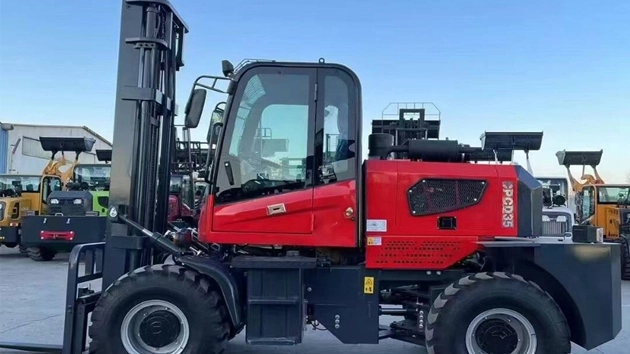
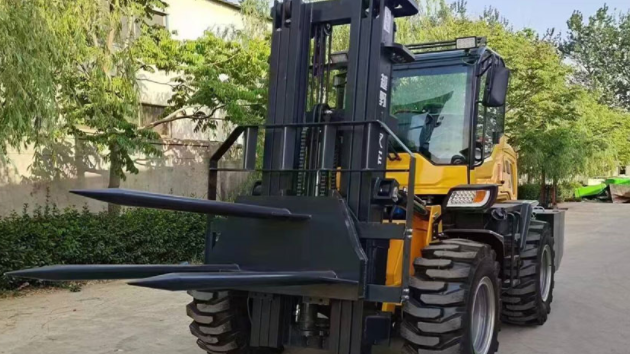
Revolutionizing Underground Operations: The Critical Role of 4WD Forklifts in High-Water Environments
2025-08-19 03:05:32
This technical report explores the advancements in 4WD forklifts designed for mining operations, focusing on their water wading depth capabilities. With increasing demand for robust material handling in flooded or wet conditions, manufacturers are engineering forklifts to withstand deeper water immersion while maintaining operational efficiency.
Content The mining industry faces unique challenges when operating in environments with high water exposure. Traditional forklifts often fail in such conditions, leading to downtime and increased maintenance costs. However, the latest generation of 4WD forklifts is engineered to tackle these issues head-on, with water wading depth being a critical performance metric.
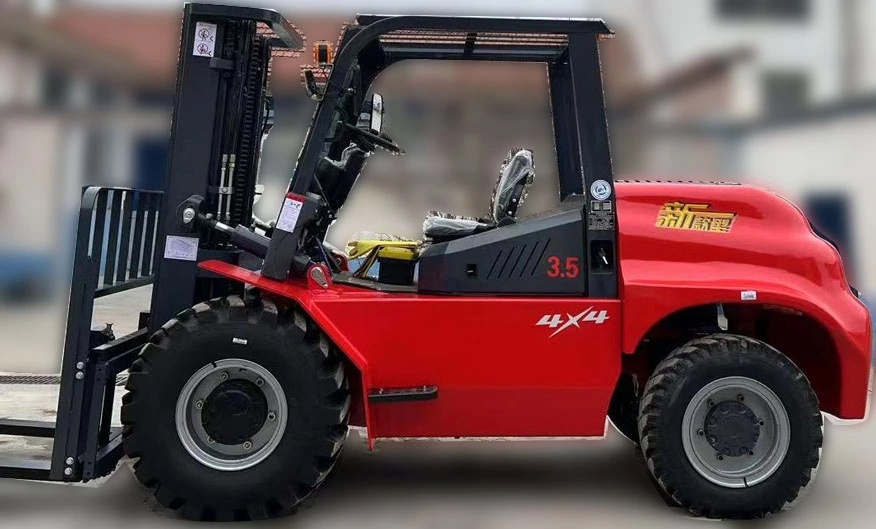
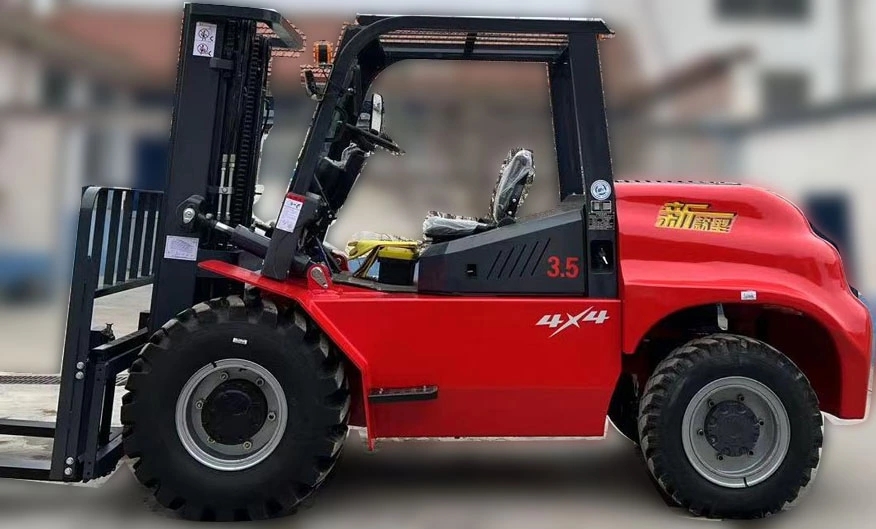
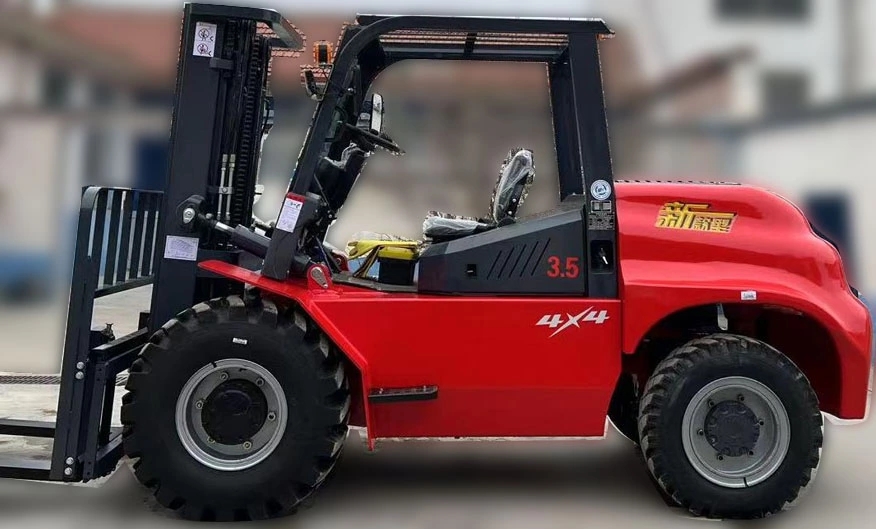
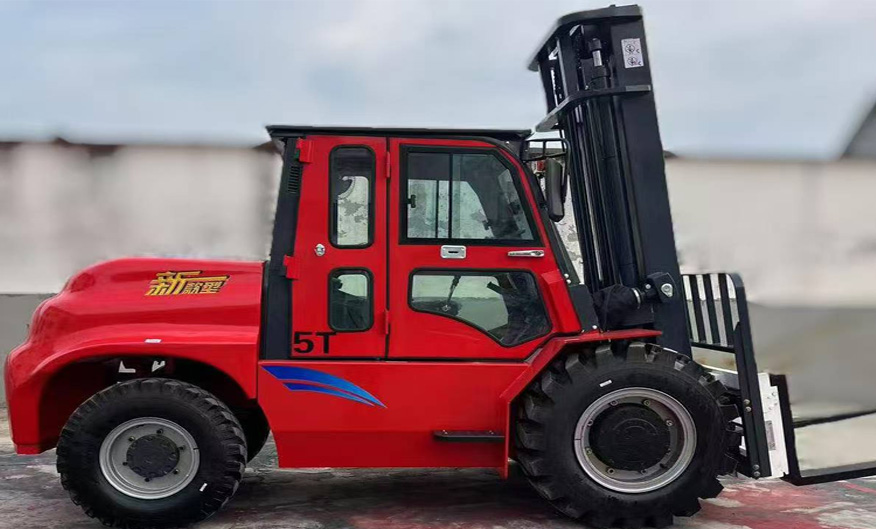
Modern 4WD forklifts designed for mining applications now feature enhanced sealing systems, corrosion-resistant materials, and elevated air intake systems. These innovations allow them to operate in water depths of up to 800mm, a significant improvement over previous models. The ability to maintain traction and stability in submerged conditions ensures uninterrupted material transport, even in the most demanding underground or open-pit mining scenarios.
Water wading depth is not just about survivability—it directly impacts productivity. Mining operations frequently encounter flooded tunnels or rain-soaked worksites, where conventional equipment would stall. By integrating advanced hydraulic systems and waterproof electrical components, 4WD forklifts can continue functioning efficiently, reducing delays and improving overall workflow.
Field tests in coal and mineral mines have demonstrated the superiority of these specialized forklifts. Operators report a 30% reduction in water-related breakdowns, thanks to improved water wading depth capabilities. Furthermore, the combination of 4WD traction and deep-water resilience ensures safer operations, minimizing the risk of slippage or hydraulic failure in submerged conditions.
Looking ahead, manufacturers are investing in R&D to push water wading depth limits even further. Future models may incorporate AI-driven water detection systems and adaptive sealing technologies, ensuring that mining 4WD forklifts remain at the forefront of industrial material handling innovation.
In conclusion, the mining sector’s reliance on 4WD forklifts with superior water wading depth is reshaping operational standards. As environmental and logistical challenges grow, these machines will play an increasingly vital role in maintaining efficiency and safety in water-prone mining environments.