The Evolution of Heavy-Duty 4WD Off-Road Forklifts in Industrial Applications
2025-08-18 03:55:30
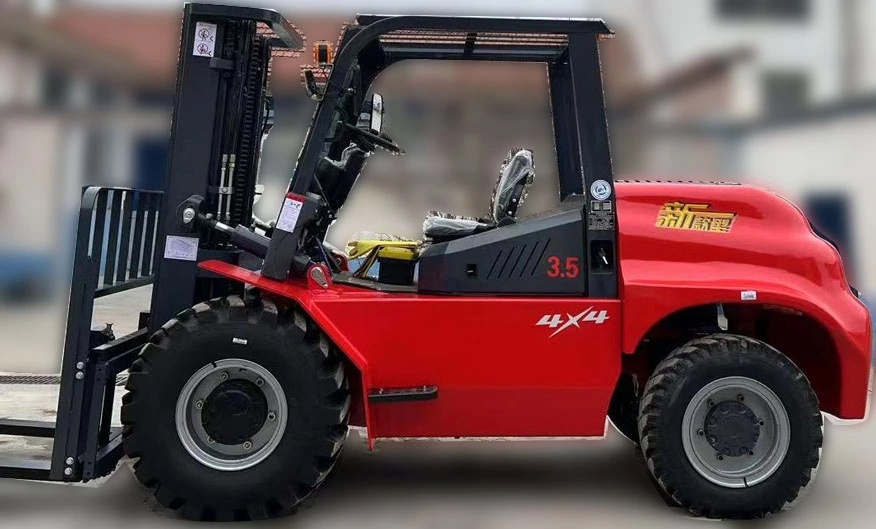
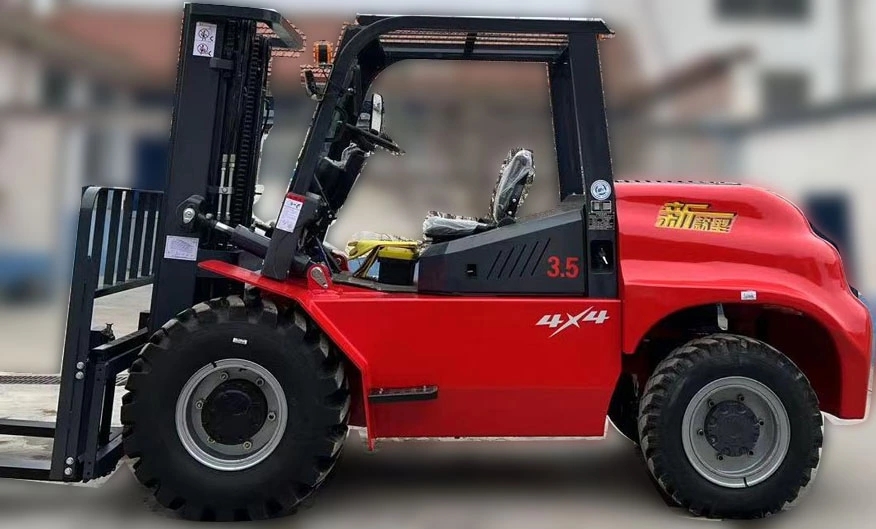
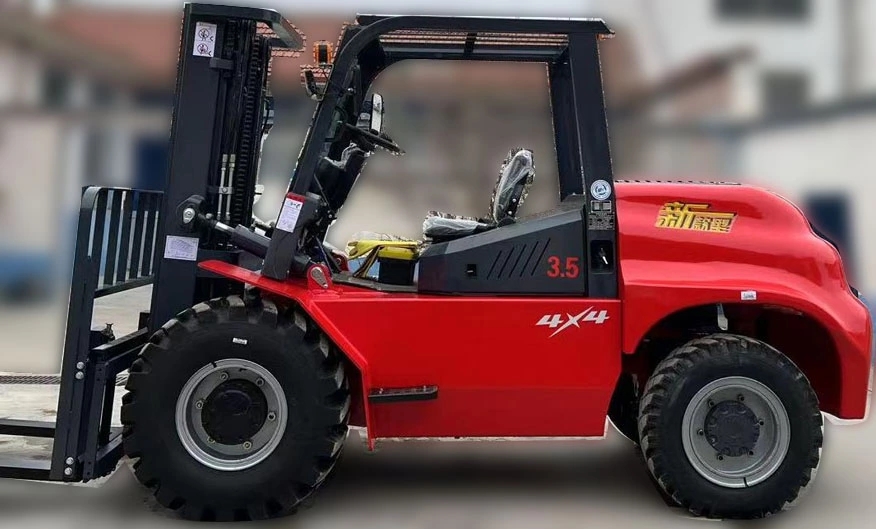
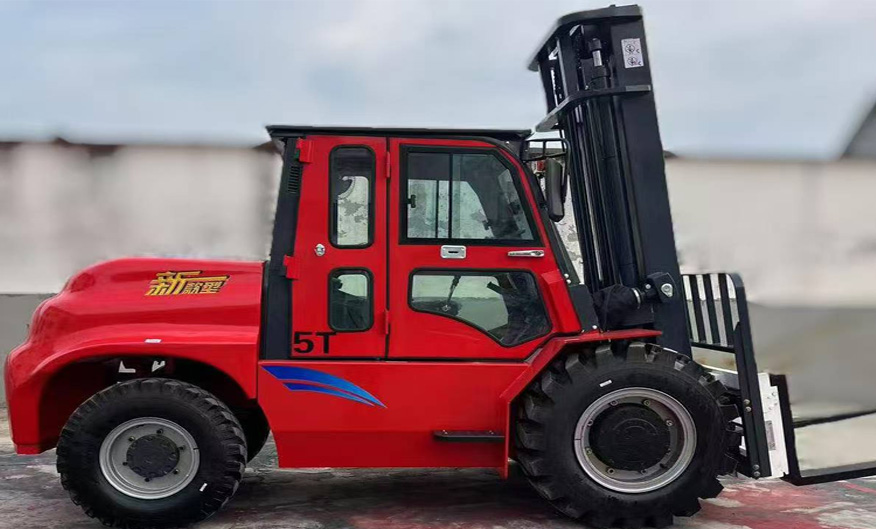
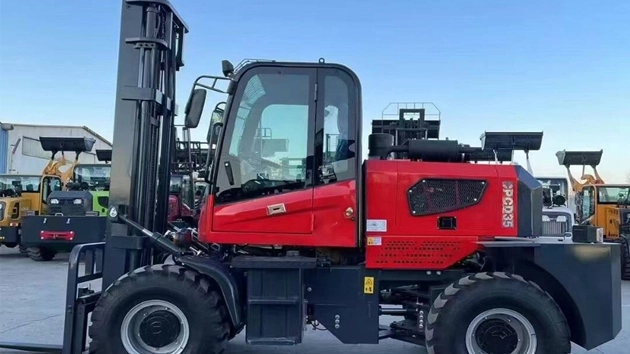
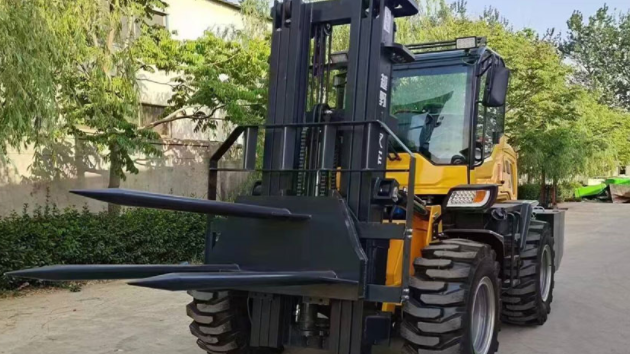
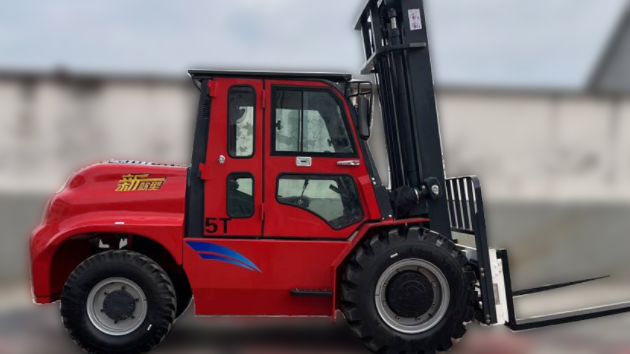
The heavy-duty 4WD off-road forklift has revolutionized material handling in rugged terrains, offering unmatched stability and power. This report explores its technological advancements, industry adoption, and operational benefits, backed by recent Market data. Content The heavy-duty 4WD off-road forklift is engineered to tackle the most demanding industrial environments, from construction sites to mining operations. Unlike conventional forklifts, its four-wheel-drive (4WD) system ensures superior traction on uneven surfaces, reducing slippage and improving load stability. According to a 2023 industry report by Global Market Insights, the demand for heavy-duty 4WD off-road forklifts has surged by 18% year-over-year, driven by infrastructure projects in emerging economies.
One of the standout features of the heavy-duty 4WD off-road forklift is its reinforced chassis, designed to withstand extreme loads up to 15,000 lbs. The integration of advanced hydraulic systems allows precise control even in muddy or rocky conditions. Case studies from Australian mining firms highlight a 30% increase in productivity after switching to heavy-duty 4WD models, thanks to reduced downtime and enhanced maneuverability.
Market leaders like Toyota and Hyster have introduced hybrid and electric variants of the heavy-duty 4WD off-road forklift, addressing sustainability concerns without compromising performance. Data from the International Council on Heavy Equipment (ICHE) shows that these eco-friendly models now account for 22% of total sales, signaling a shift toward greener industrial solutions. With further innovations in autonomous navigation, the heavy-duty 4WD off-road forklift is poised to redefine efficiency in off-road material handling.
In conclusion, the heavy-duty 4WD off-road forklift remains indispensable for industries operating in challenging terrains. Its technological evolution, coupled with rising market demand, underscores its critical role in modern logistics and construction. Future developments in automation and energy efficiency will likely expand its applications even further.