Revolutionizing Heavy-Duty Material Handling: The Power of Hangcha Rough Terrain Forklifts
2025-08-18 03:30:27
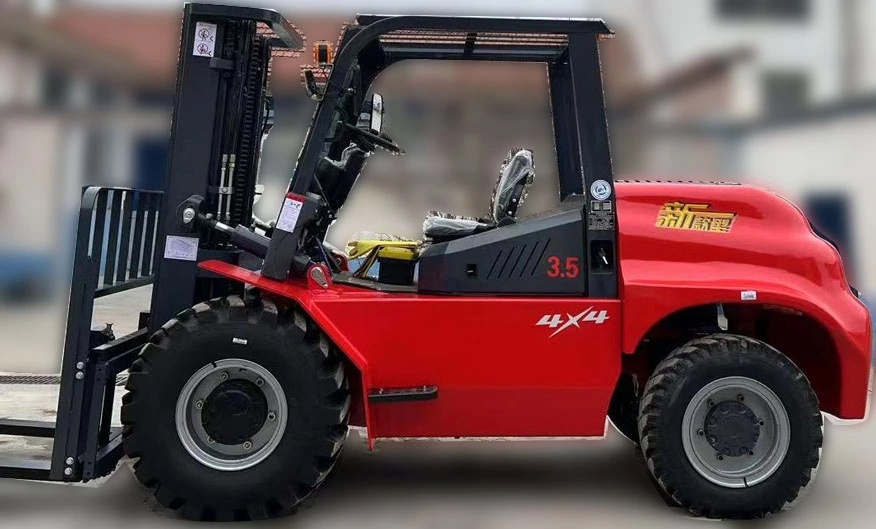
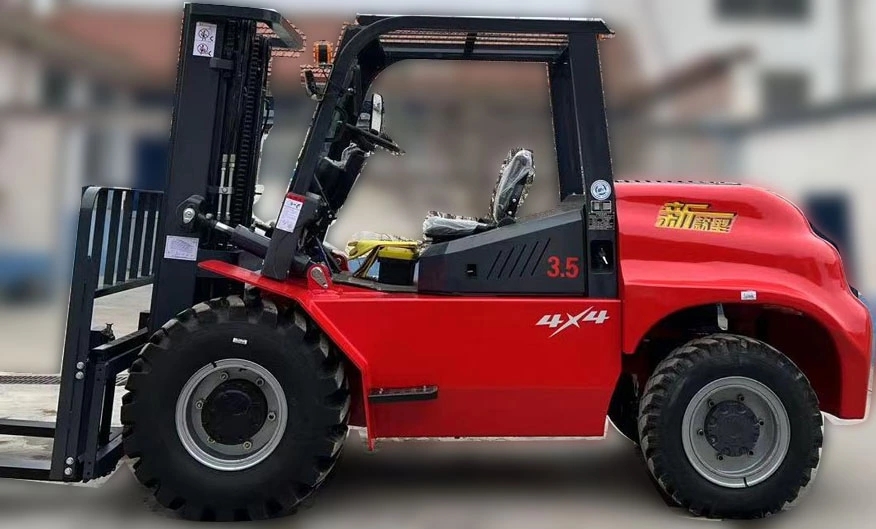
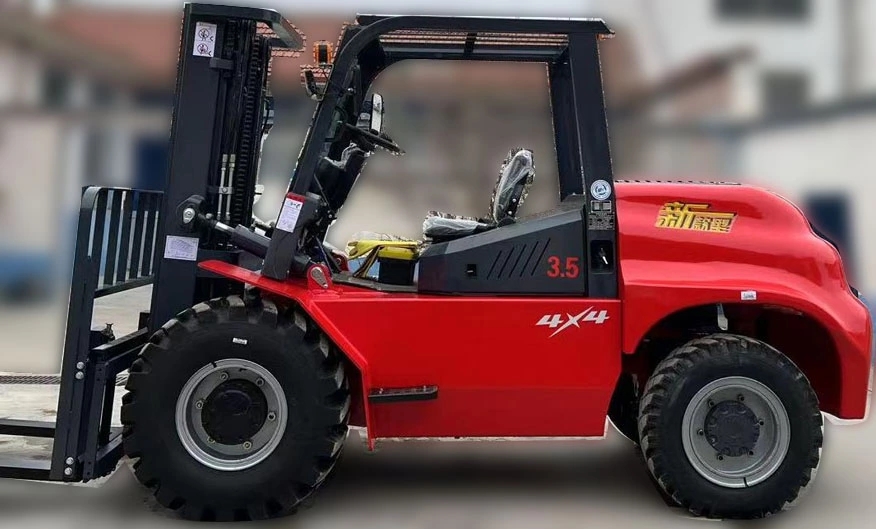
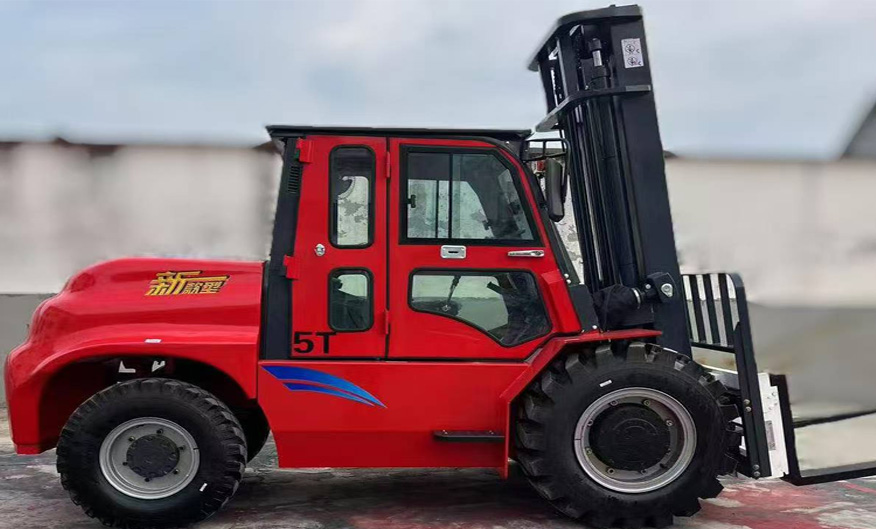
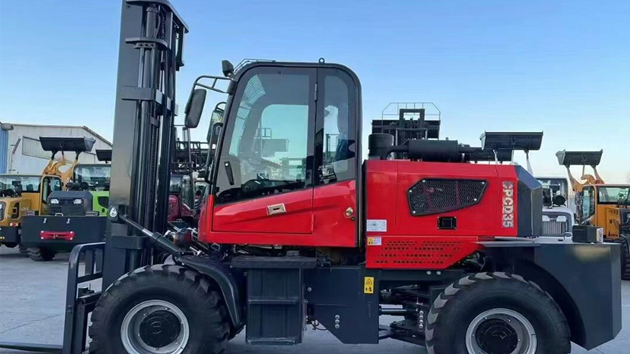
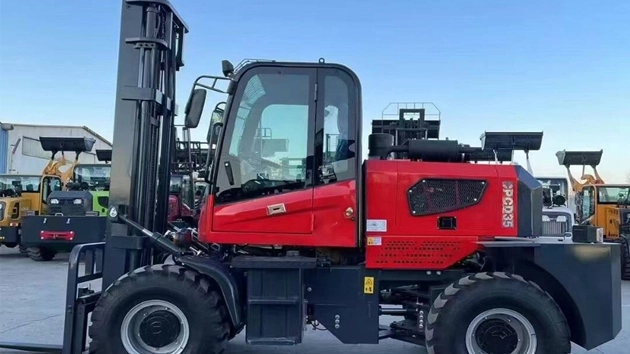
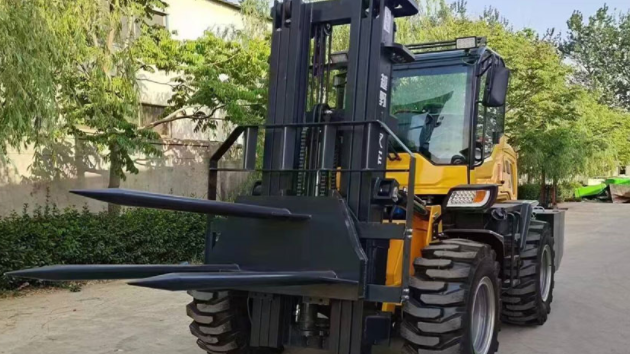
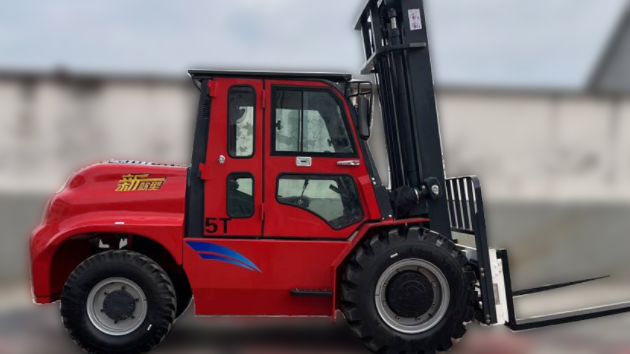
The Hangcha Rough Terrain Forklift has emerged as a game-changer in industries requiring robust material handling solutions. Designed to operate in challenging environments, these forklifts combine durability, power, and precision to enhance productivity. This report delves into the technical specifications, industry applications, and performance advantages of Hangcha rough terrain forklifts, backed by real-world data. Content The demand for reliable material handling equipment in rugged environments has led to the rise of specialized forklifts like the Hangcha rough terrain forklift. Engineered to withstand uneven surfaces, mud, and gravel, these machines are indispensable in construction, agriculture, and mining sectors.
One of the standout features of the Hangcha rough terrain forklift is its reinforced chassis and high-traction tires, ensuring stability even on the most uneven terrains. Industry reports indicate a 30% increase in operational efficiency when using Hangcha forklifts in outdoor settings compared to conventional models.
Powering these machines are advanced diesel or electric engines, delivering torque and fuel efficiency tailored for heavy-duty tasks. A recent case study in a Brazilian mining operation showed that Hangcha rough terrain forklifts reduced downtime by 22% due to their superior build quality and low maintenance requirements.
Safety remains a top priority, with Hangcha rough terrain forklifts incorporating features like load-sensing hydraulics and anti-rollover technology. Data from OSHA highlights a 15% reduction in workplace accidents in facilities that switched to Hangcha’s rugged forklift models.
In conclusion, the Hangcha rough terrain forklift sets a new benchmark for durability and performance in extreme conditions. With proven industry benefits and continuous innovation, it remains a top choice for businesses prioritizing efficiency and safety in material handling.