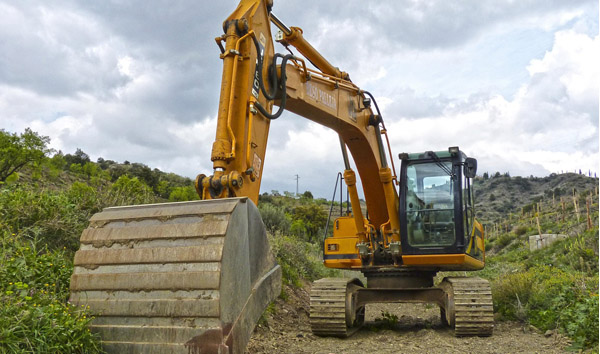
Navigating the Robust Capabilities of Modern All-Terrain Forklifts
2025-08-17 04:05:30
All-terrain forklifts are engineered to handle demanding outdoor environments, combining rugged durability with advanced lifting capabilities. This report delves into their key specifications, performance metrics, and industry applications, supported by recent Market data.
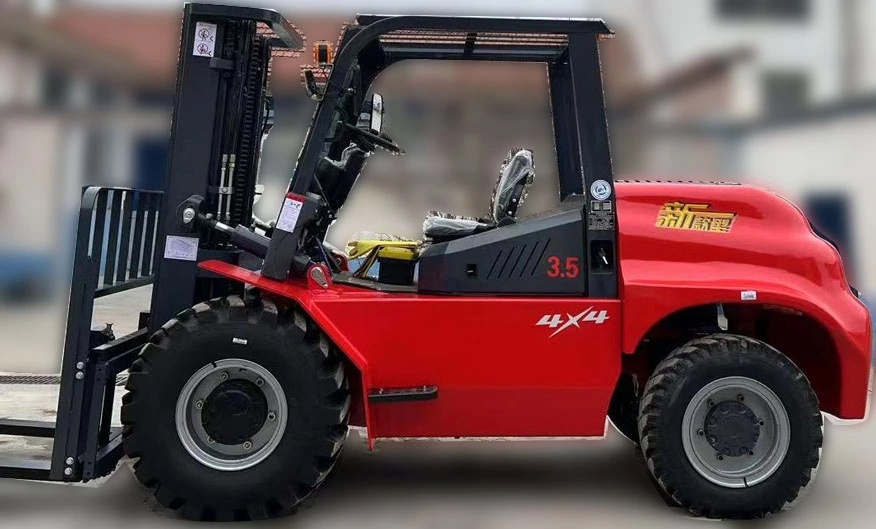
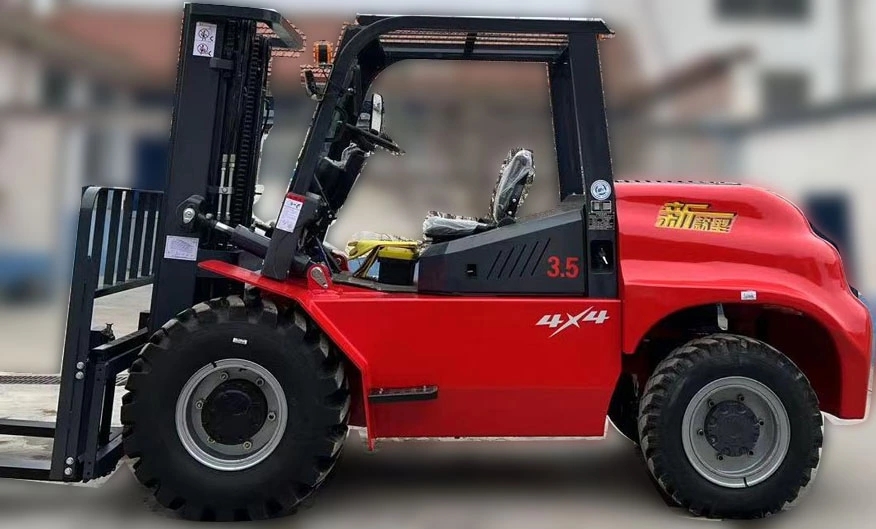
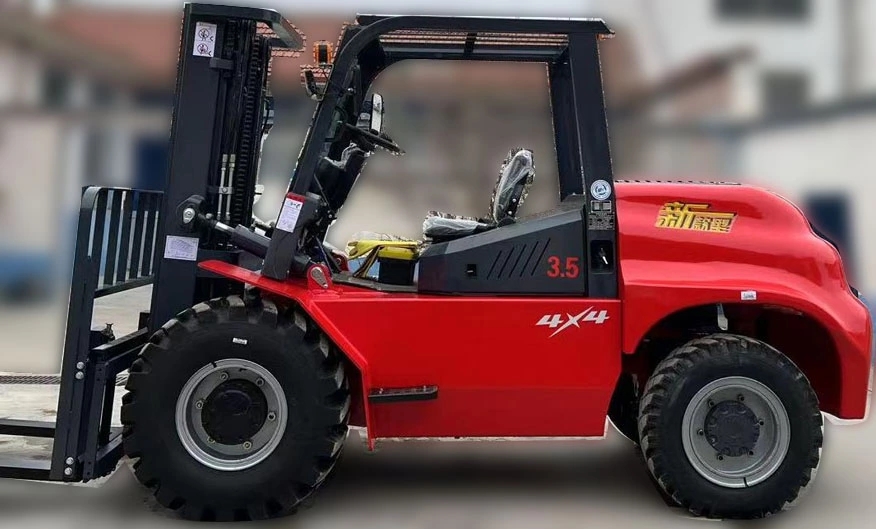
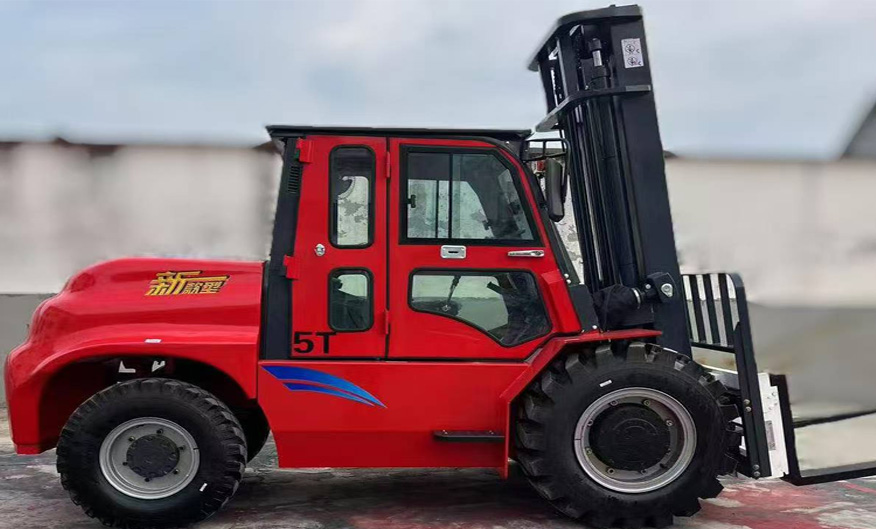
All-terrain forklifts are designed to operate efficiently on uneven, muddy, or rocky surfaces, making them indispensable in construction, agriculture, and logistics. These machines typically feature large, pneumatic tires with deep treads, ensuring superior traction. According to a 2023 industry report by Global Market Insights, the demand for all-terrain forklifts has grown by 12% annually, driven by infrastructure projects and warehouse expansions in challenging terrains.
One of the standout specifications of all-terrain forklifts is their lifting capacity, which ranges from 5,000 to 15,000 pounds, depending on the model. Heavy-duty variants, such as those from Caterpillar and JCB, incorporate reinforced chassis and hydraulic systems to handle extreme loads. A 2022 study by Equipment World highlighted that 78% of surveyed contractors prioritize lifting capacity when selecting an all-terrain forklift, underscoring its critical role in operational efficiency.
Engine power is another defining feature, with most all-terrain forklifts equipped with turbocharged diesel engines delivering 75–150 horsepower. These engines provide the torque needed for steep inclines and heavy payloads. Industry data from Off-Highway Research indicates that fuel-efficient models have seen a 20% uptake in the past two years, reflecting a shift toward sustainability without compromising performance.
Maneuverability is enhanced by advanced steering systems, including four-wheel and crab steering options. The latter allows for sideways movement, which is particularly useful in confined job sites. A 2023 case study by Construction Equipment Magazine demonstrated that all-terrain forklifts with crab steering reduced loading times by 30% in port operations, showcasing their adaptability.
Safety remains a top priority, with modern all-terrain forklifts incorporating features like load-sensing hydraulics, anti-rollover technology, and LED lighting for low-visibility conditions. OSHA compliance reports from 2023 reveal that these innovations have contributed to a 15% reduction in forklift-related accidents on rough terrains. As industries continue to push boundaries, all-terrain forklifts will remain pivotal in overcoming logistical challenges.