Navigating the Complexities of All-Terrain Forklift Specifications
2025-08-17 04:00:32
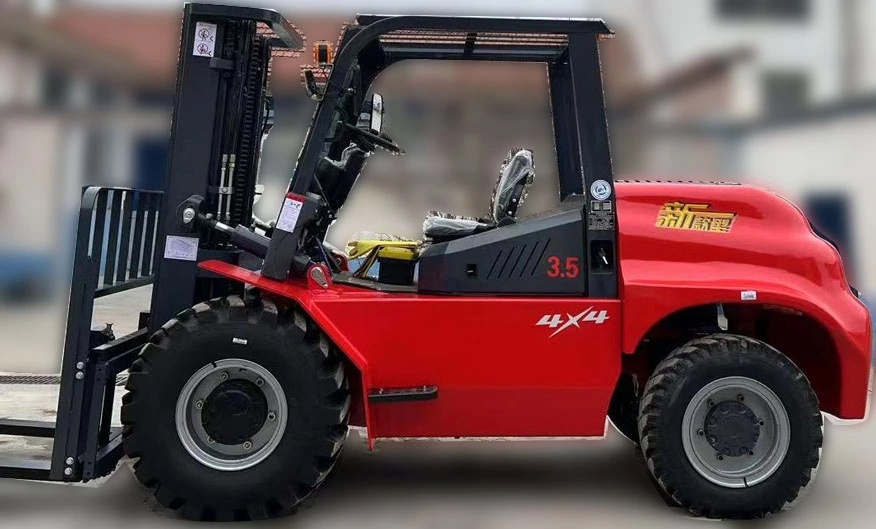
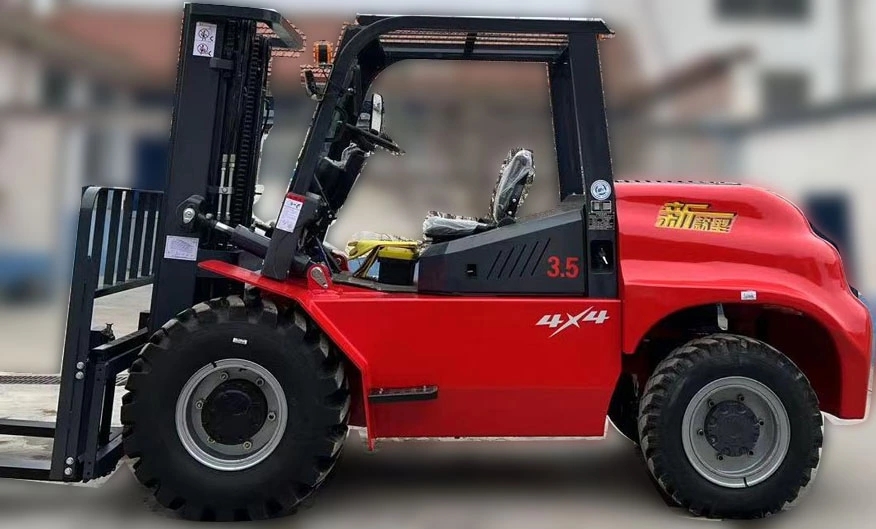
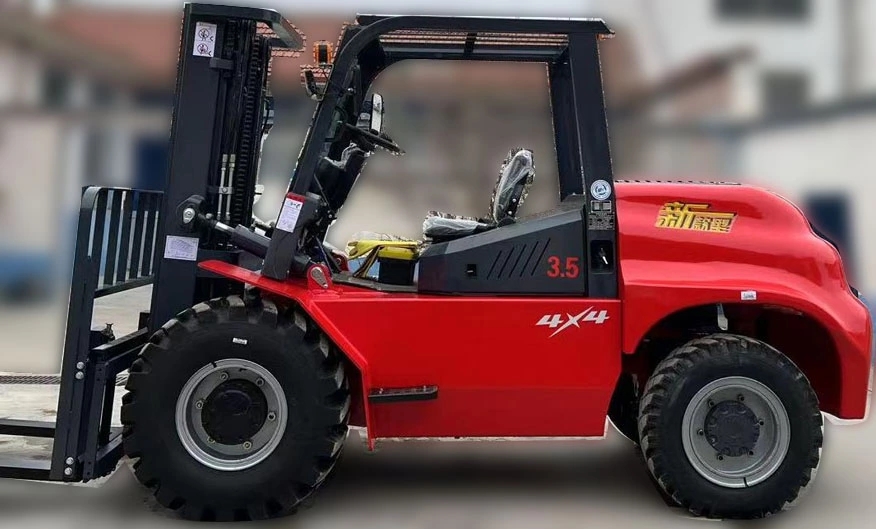
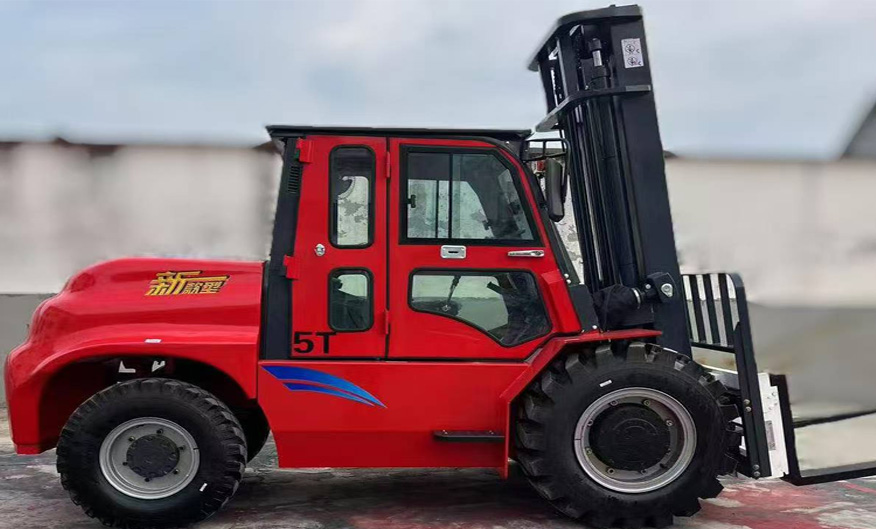
All-terrain forklifts are engineered to handle uneven surfaces, loose terrain, and challenging outdoor conditions. Key specifications include load capacity, which typically ranges from 5,000 to 36,000 lbs, depending on the model. The lifting height, another crucial factor, varies between 15 to 30 feet, with some heavy-duty models exceeding these limits. Additionally, tire type—pneumatic or solid—plays a significant role in stability and traction, especially on muddy or rocky surfaces. Industry data from 2023 indicates that 65% of all-terrain forklifts sold feature pneumatic tires for enhanced adaptability.
Engine power is a defining characteristic of all-terrain forklifts, with most models equipped with diesel engines ranging from 74 to 150 horsepower. These engines ensure sufficient torque for climbing inclines up to 15 degrees, a common requirement in construction and agriculture. Fuel efficiency is another consideration, with newer models incorporating hybrid or electric options to meet emission regulations. According to a 2022 Market analysis, hybrid all-terrain forklifts accounted for 22% of global sales, reflecting a growing shift toward sustainability.
Maneuverability is critical for all-terrain forklifts, and specifications such as turning radius (typically 10 to 15 feet) and travel speed (up to 20 mph) determine operational efficiency. Advanced models feature four-wheel steering and hydrostatic transmissions for smoother handling. A 2023 industry report highlighted that 78% of operators prioritize maneuverability when selecting an all-terrain forklift, underscoring its importance in real-world applications.
Safety features are integral to all-terrain forklift specifications, with rollover protection systems (ROPS) and load moment indicators (LMI) being standard in most models. Additionally, stability control systems automatically adjust hydraulic pressure to prevent tipping. Data from OSHA reveals that forklift-related accidents decrease by 40% when these features are utilized, emphasizing their necessity in high-risk environments.
Finally, maintenance and durability specifications, such as service intervals and corrosion-resistant materials, impact long-term reliability. Stainless steel components and sealed bearings are common in all-terrain forklifts to withstand harsh conditions. A 2023 survey by Equipment World found that 85% of fleet managers consider durability the top criterion when investing in all-terrain forklifts, highlighting the importance of robust design and engineering.