Navigating the Complexities of All-Terrain Forklift Specifications
2025-08-16 04:45:29
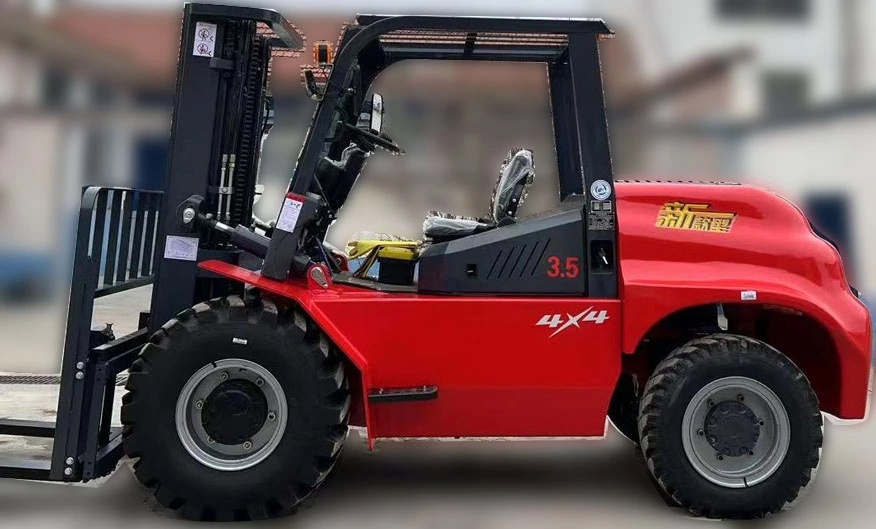
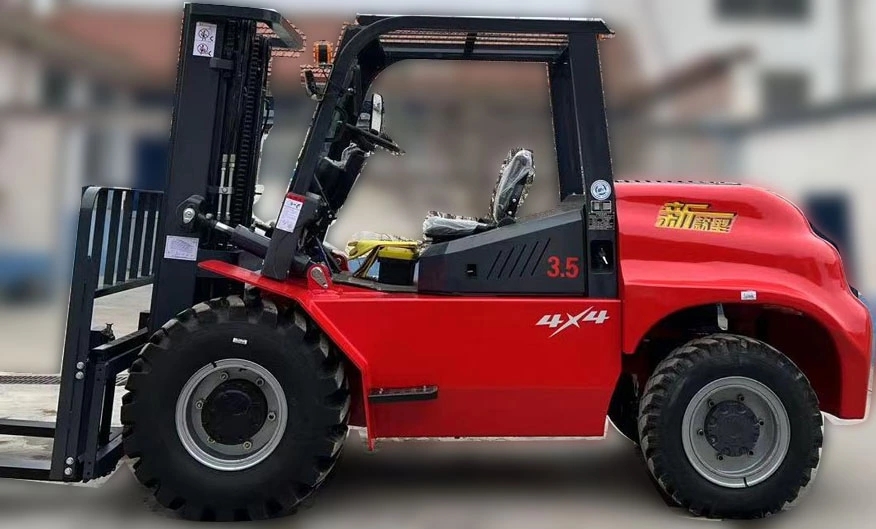
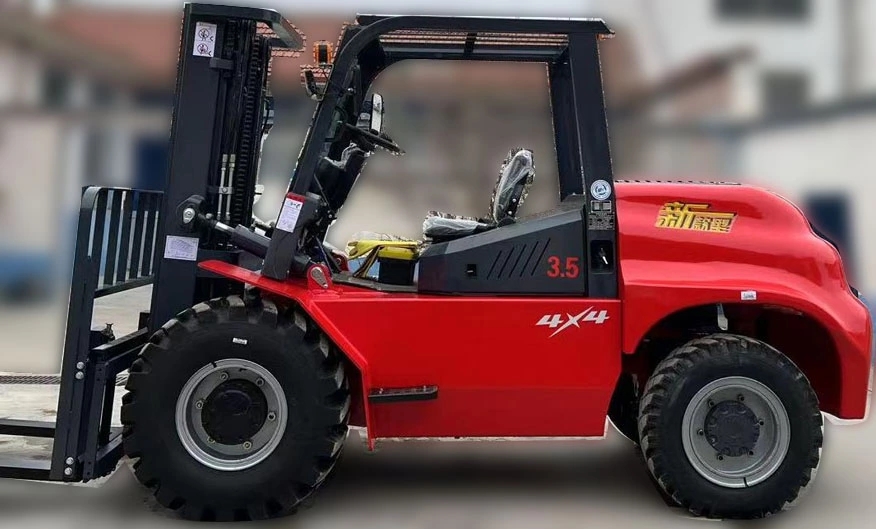
All-terrain forklifts are engineered to handle uneven surfaces, steep inclines, and challenging outdoor conditions. One of the most critical specifications is load capacity, which typically ranges from 5,000 to 15,000 pounds, depending on the model. High-capacity variants are essential for construction and logging industries, where heavy materials must be transported across rough terrain. Load centers and lift heights also play a pivotal role in determining operational efficiency, with most models offering a lift range of 10 to 20 feet.
Engine power is another decisive factor in all-terrain forklift performance. Most units are equipped with diesel engines ranging from 50 to 100 horsepower, ensuring sufficient torque for climbing gradients and navigating muddy or sandy surfaces. Advanced models may feature turbocharged engines or hybrid systems to enhance fuel efficiency while maintaining power output. Emissions compliance, particularly with Tier 4 Final standards, is increasingly important, as stricter environmental regulations impact equipment selection in North America and Europe.
Tire design significantly influences stability and traction in all-terrain forklifts. Pneumatic tires with deep treads are standard for muddy or rocky environments, while solid rubber tires are preferred for puncture resistance in debris-heavy sites. Some models incorporate oscillating axles or independent suspension systems to improve balance on uneven ground. Tire pressure monitoring systems (TPMS) are becoming more common, providing real-time data to prevent blowouts and optimize performance.
Maneuverability is enhanced by features such as four-wheel drive (4WD) and articulated steering, allowing operators to navigate tight spaces without sacrificing stability. The turning radius of all-terrain forklifts typically falls between 10 and 15 feet, with hydrostatic transmissions ensuring smooth acceleration and deceleration. Some high-end models include crab steering for lateral movement, a valuable feature in confined workspaces.
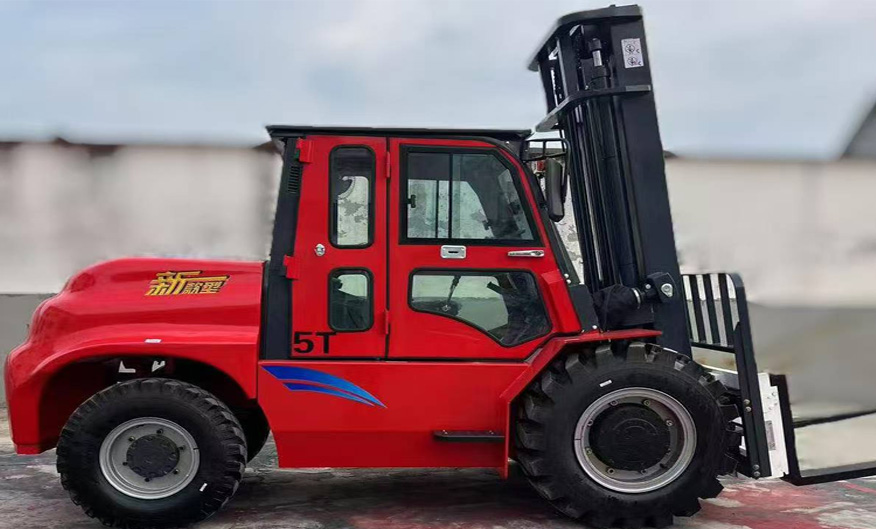
Finally, operator comfort and safety cannot be overlooked. Modern all-terrain forklifts are equipped with ergonomic cabins, shock-absorbing seats, and climate control systems to reduce fatigue during long shifts. ROPS (Roll-Over Protective Structures) and FOPS (Falling Object Protective Structures) are mandatory in most regions, ensuring compliance with OSHA and ISO standards. Advanced telematics systems also enable fleet managers to monitor usage patterns, maintenance needs, and operator behavior in real time.