Navigating the Robust Capabilities of Modern All-Terrain Forklifts
2025-08-16 04:30:32
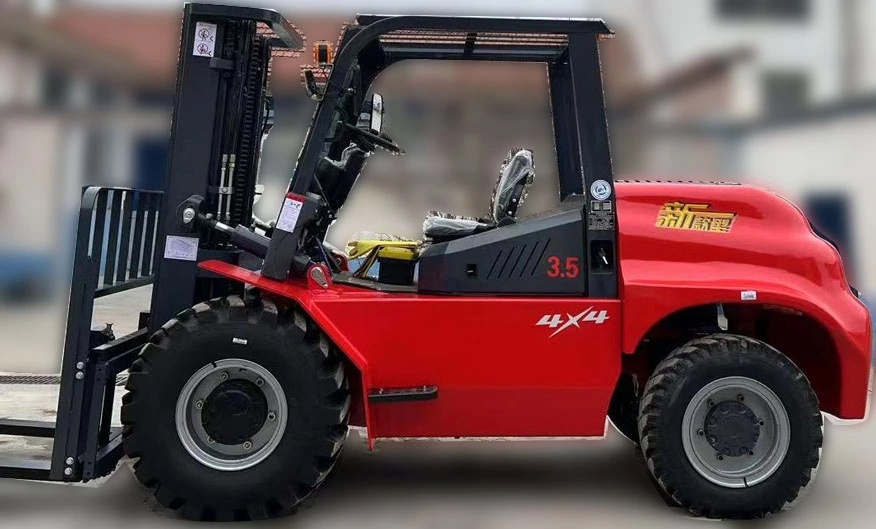
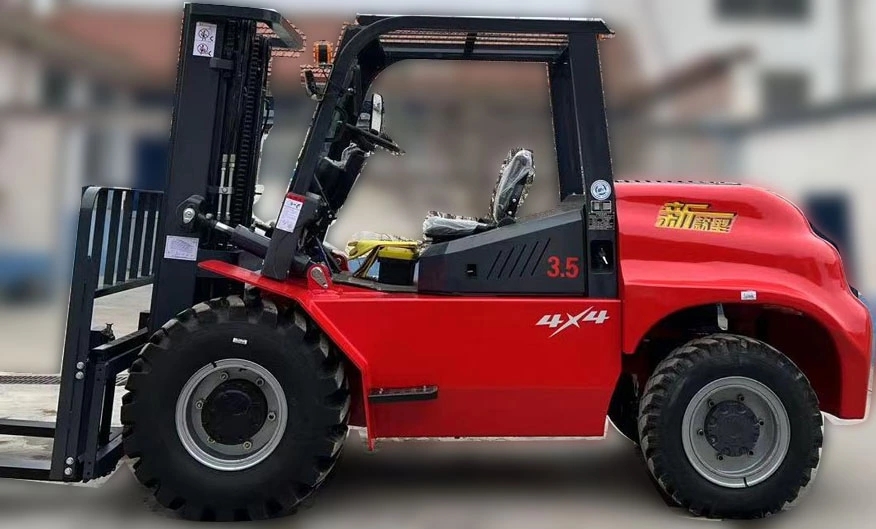
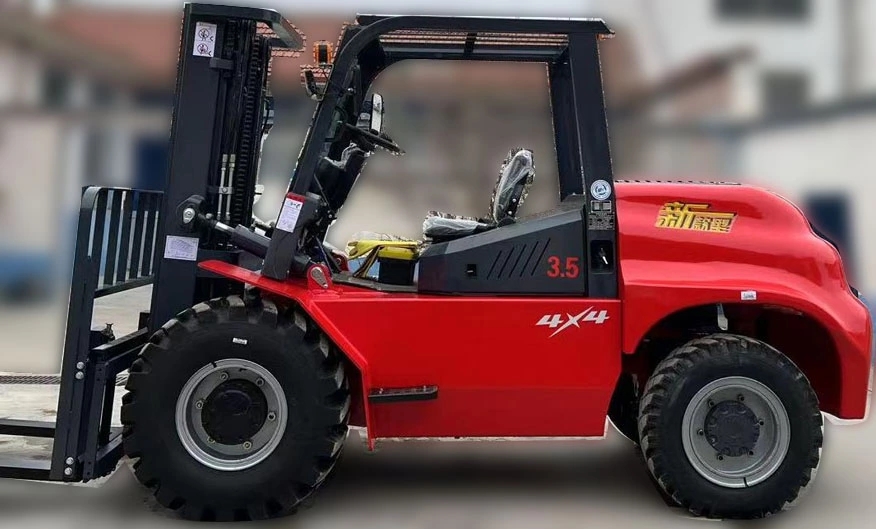
All-terrain forklifts are engineered to operate seamlessly across uneven, rugged, and unstable surfaces, making them indispensable in construction, agriculture, and heavy logistics. Key specifications include load capacities ranging from 3,000 to 10,000 kg, ensuring versatility for diverse material handling tasks. These machines often feature reinforced chassis designs and high-traction tires, enabling stability on gravel, mud, and inclines up to 30%. The integration of advanced hydraulic systems further enhances precision lifting, even in challenging environments.
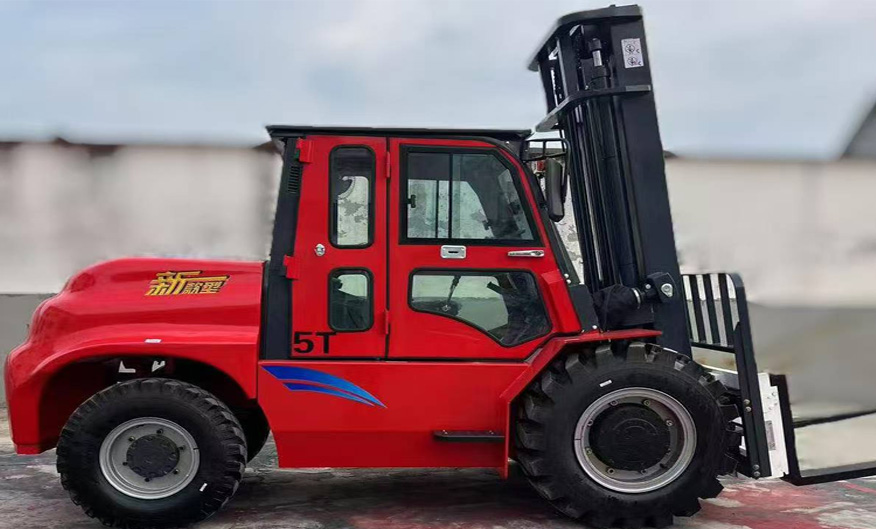
Powering these robust machines are diesel or hybrid engines, delivering 50–150 HP to meet demanding operational requirements. Fuel efficiency remains a priority, with modern all-terrain forklifts incorporating eco-friendly technologies such as Tier 4 Final engines, reducing emissions without compromising performance. Additionally, operators benefit from ergonomic cabins equipped with shock-absorbing seats and intuitive control panels, minimizing fatigue during extended shifts. These specifications ensure productivity in sectors like mining, where continuous operation under harsh conditions is non-negotiable.
Another critical specification is lift height, which varies between 3 to 7 meters depending on the model. All-terrain forklifts designed for stacking heavy loads in warehouses or ports often feature telescopic masts, allowing for greater vertical reach. Meanwhile, models optimized for construction prioritize lower lift heights with higher load stability. The inclusion of dynamic stability systems prevents tip-overs, a common hazard when operating on uneven ground. Such innovations underscore the importance of tailored specifications for industry-specific needs.
Maneuverability is a defining trait of all-terrain forklifts, with tight turning radii (as low as 3 meters) enabling navigation in confined spaces. Articulated steering systems and all-wheel-drive configurations enhance control, particularly on slopes or soft terrain. Furthermore, advanced telematics systems provide real-time diagnostics, allowing fleet managers to monitor fuel consumption, maintenance schedules, and operational efficiency remotely. These features align with Industry 4.0 trends, where data-driven decision-making optimizes equipment utilization.
In conclusion, the specifications of all-terrain forklifts reflect a balance between power, adaptability, and safety. From load capacity to engine performance, each metric is meticulously designed to meet the demands of modern industrial applications. As industries continue to prioritize efficiency and sustainability, future iterations of these machines will likely integrate AI-driven automation and alternative fuel sources, further revolutionizing material handling across all terrains.