Navigating the Complexities of All-Terrain Forklift Specifications
2025-08-15 04:20:29
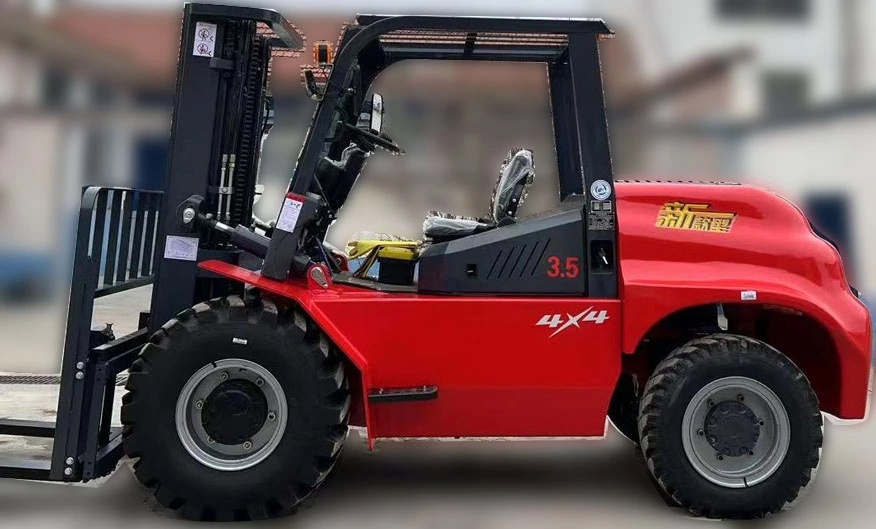
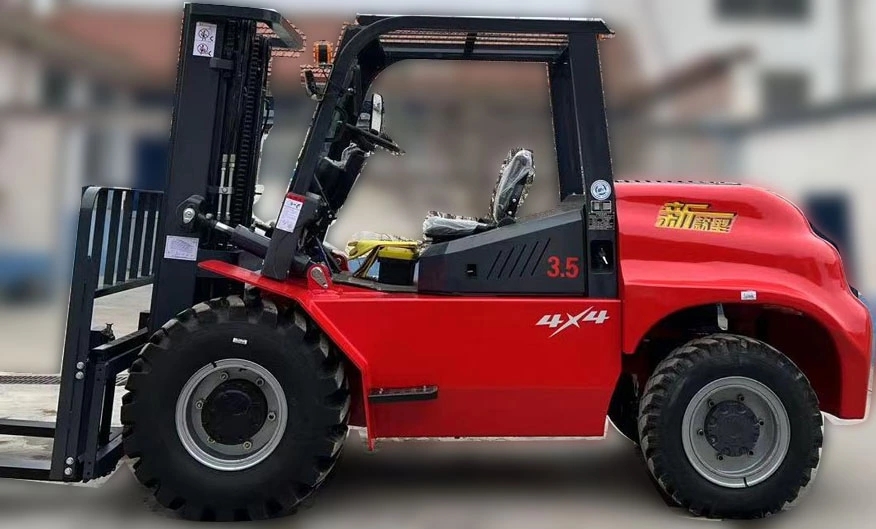
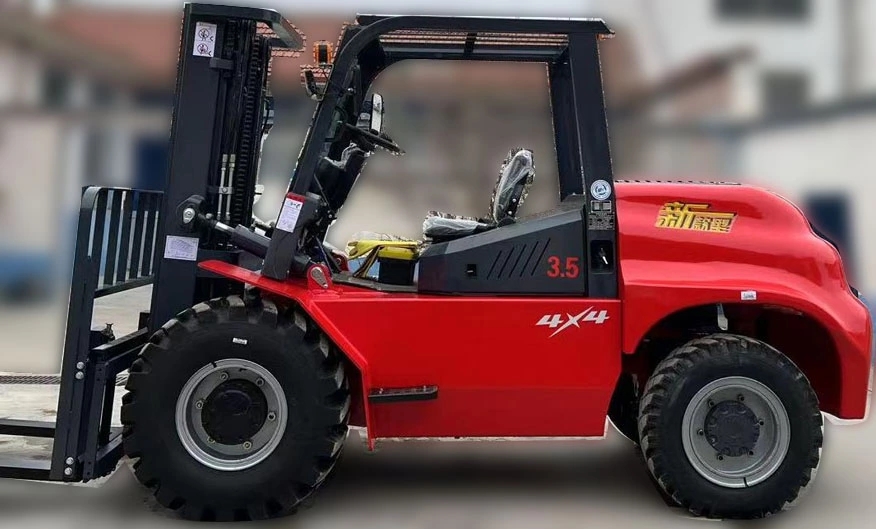
All-terrain forklifts are engineered to handle uneven, muddy, or rocky surfaces, making them indispensable in construction, agriculture, and forestry. One of the most critical specifications is load capacity, which typically ranges from 3,000 to 10,000 kg, depending on the model. Higher-capacity units often feature reinforced chassis and hydraulic systems to maintain stability under heavy loads. Additionally, lift heights can vary between 3 to 6 meters, with some specialized models offering telescopic forks for extended reach.
Engine power is another vital consideration, as all-terrain forklifts require robust performance to navigate challenging landscapes. Most models are equipped with diesel engines ranging from 50 to 120 horsepower, ensuring sufficient torque for steep inclines and rough terrain. Some newer models incorporate hybrid or electric powertrains, reducing emissions without compromising power. Fuel efficiency is also a key factor, with advanced engines offering up to 20% better consumption rates compared to older designs.
Tire design plays a pivotal role in the functionality of all-terrain forklifts. Pneumatic tires with deep treads are standard for enhanced traction on loose or wet surfaces. Some models feature foam-filled or solid tires to prevent punctures in harsh environments. The tire width and diameter must align with ground clearance requirements, typically between 250 to 400 mm, to avoid obstacles while maintaining stability.
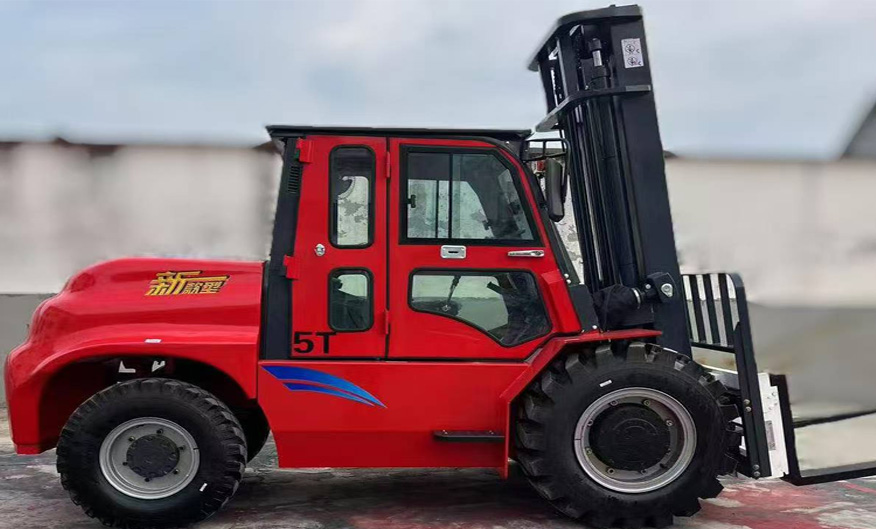
Stability features are non-negotiable for all-terrain forklifts, given their operating conditions. Many units come with oscillating axles or articulated frames to distribute weight evenly on uneven ground. Advanced models include load-sensing hydraulics and automatic tilt correction to prevent tip-overs. Additionally, operator cabins are often reinforced with rollover protection systems (ROPS) for safety compliance.
Finally, technological integrations are transforming all-terrain forklift specifications. GPS tracking, telematics, and automated load management systems are becoming standard in premium models. These features improve operational efficiency and reduce downtime by providing real-time diagnostics. As industries demand more versatile and durable equipment, manufacturers continue to innovate, ensuring all-terrain forklifts meet evolving workplace challenges.