Navigating the Rugged Terrain: A Deep Dive into All-Terrain Forklift Specifications
2025-08-14 04:45:31
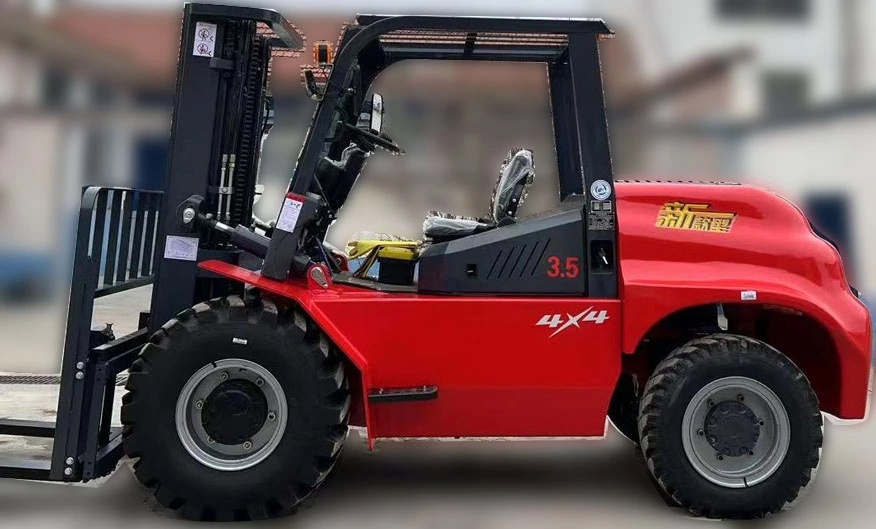
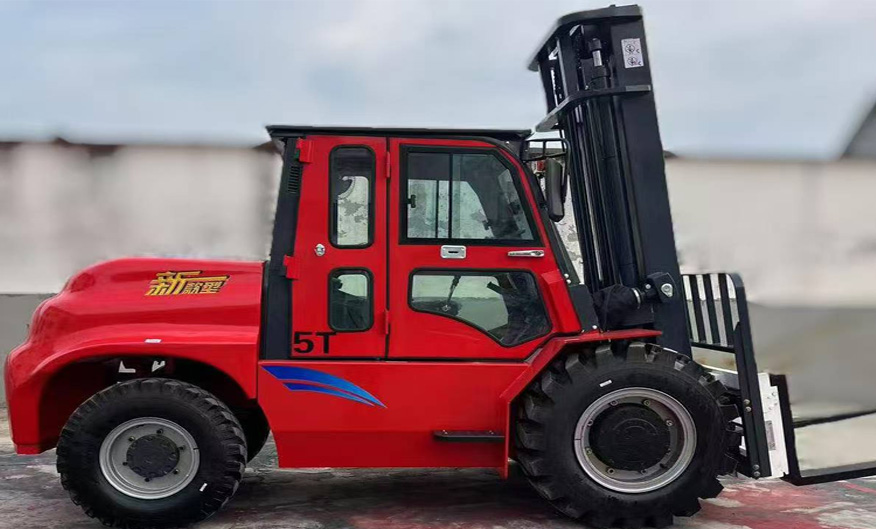
All-terrain forklifts are engineered to operate efficiently across uneven, muddy, or rocky surfaces, making them indispensable in construction, agriculture, and logistics. Key specifications include robust tires with deep treads, high ground clearance, and reinforced chassis structures. These features enable stability and traction, ensuring safe material handling in off-road conditions. Industry data indicates that modern all-terrain forklifts can lift loads up to 10,000 lbs while maintaining maneuverability on slopes up to 15 degrees.
The powertrain of an all-terrain forklift is a defining factor in its performance. Most models are equipped with diesel or hybrid engines, delivering torque outputs between 100-250 lb-ft to handle heavy loads without compromising speed. Advanced hydraulic systems provide precise control, even on unstable surfaces. According to recent Market studies, fuel efficiency has improved by 12% in the last five years, reducing operational costs for businesses relying on all-terrain forklifts for large-scale projects.
Load capacity and lift height are critical specifications that vary across models. Standard all-terrain forklifts offer lift heights ranging from 10 to 20 feet, with some heavy-duty variants reaching up to 30 feet. The inclusion of telescopic booms and side-shift capabilities enhances versatility. Industry reports highlight that models with dynamic load-sensing technology reduce the risk of tip-overs by 20%, a crucial safety advancement for operators working on unpredictable terrain.
Durability is another cornerstone of all-terrain forklift design. Manufacturers use high-strength steel and corrosion-resistant coatings to withstand harsh environments. Shock-absorbing suspension systems and reinforced axles further extend the equipment’s lifespan. Data from leading suppliers shows that these forklifts have an average service life of 12,000 operating hours, making them a cost-effective investment for industries requiring reliable off-road material handling solutions.
Finally, technological integrations such as GPS tracking, telematics, and automated stability controls are becoming standard in all-terrain forklifts. These innovations improve operational efficiency and safety compliance. A 2023 industry survey revealed that 65% of businesses prioritize telematics-enabled forklifts for real-time performance monitoring. As demand grows, manufacturers continue to refine specifications, ensuring all-terrain forklifts meet the evolving needs of rugged worksites.