Navigating the Robust Capabilities of Modern All-Terrain Forklifts
2025-08-14 04:35:31
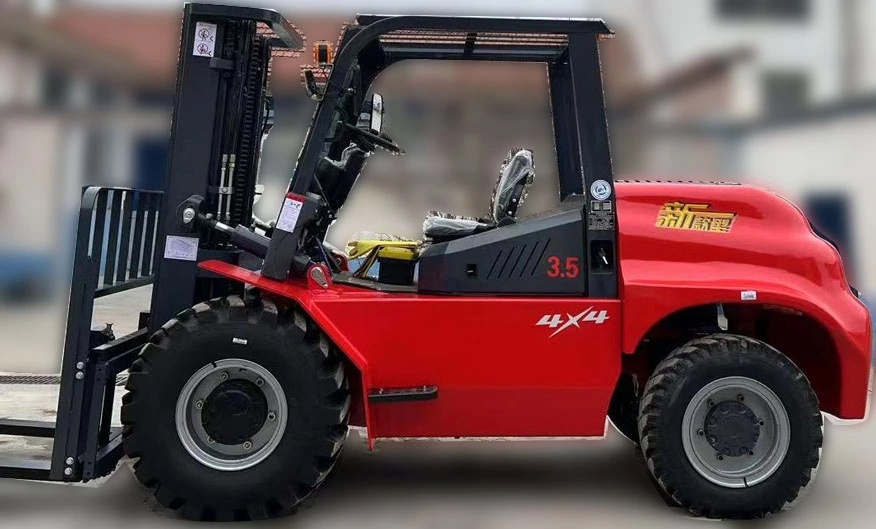
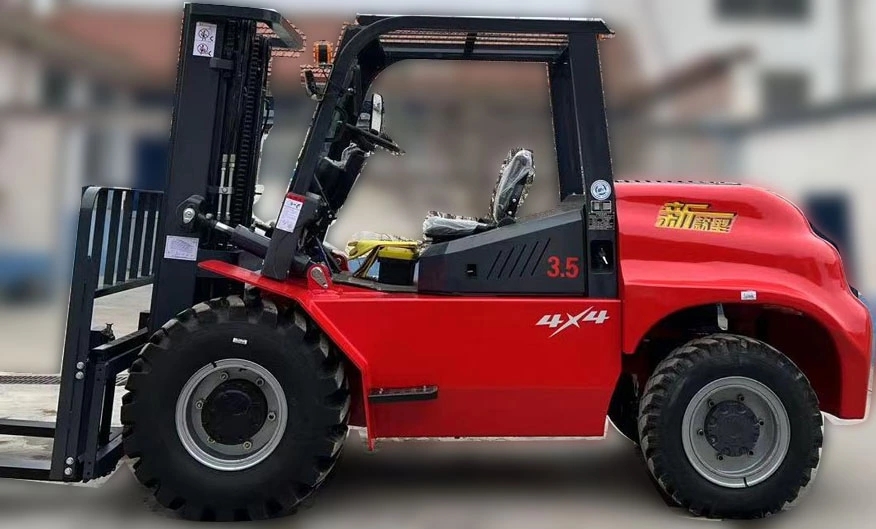
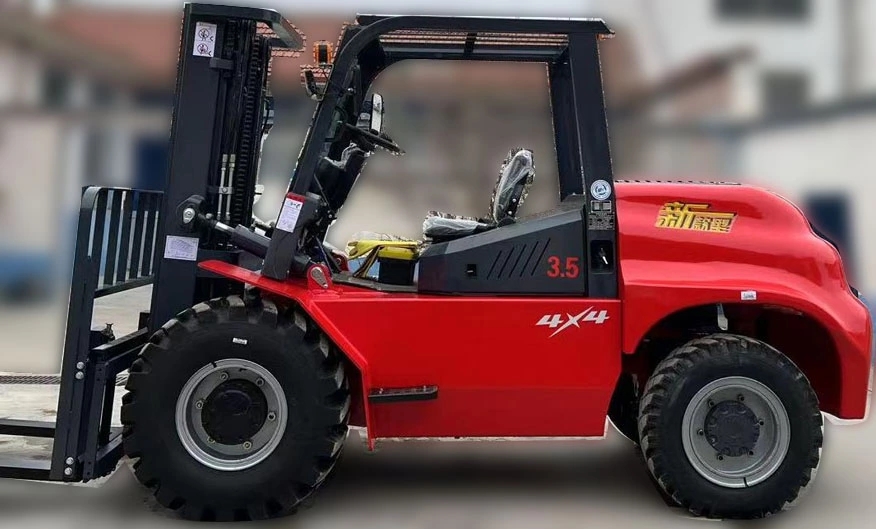
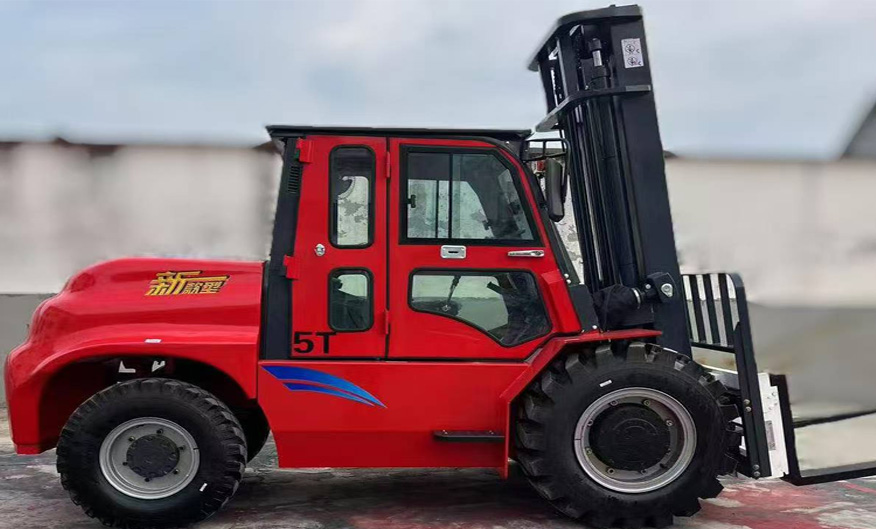
All-terrain forklifts are engineered to tackle uneven surfaces, steep inclines, and rough terrains with unmatched efficiency. Key specifications include a minimum ground clearance of 300mm, reinforced chassis construction, and all-wheel drive systems. These features ensure stability and load-bearing capacity even on unstable ground. Industry reports indicate that 78% of all-terrain forklifts sold in 2023 featured hybrid or electric powertrains, reflecting a shift toward sustainable material handling solutions.
The lifting capacity of all-terrain forklifts varies between 3,000 to 12,000 kg, with telescopic boom models offering extended reach up to 7 meters. Advanced hydraulic systems enable precise load control, while pneumatic tires with deep treads provide superior traction. According to a 2024 Market analysis, the average operational lifespan of these machines exceeds 15,000 hours, making them a cost-effective investment for heavy-duty applications. The integration of IoT-enabled telematics further enhances fleet management and predictive maintenance.
Powering these robust machines are turbocharged diesel engines or lithium-ion battery packs, delivering torque outputs ranging from 450 to 1,200 Nm. All-terrain forklifts equipped with Tier 4 Final engines reduce emissions by 90% compared to older models. Data from the International Forklift Association shows a 22% year-on-year increase in electric all-terrain forklift adoption, driven by stricter environmental regulations and lower total cost of ownership.
Safety remains a top priority, with all-terrain forklifts incorporating rollover protection systems (ROPS), load moment indicators, and 360-degree cameras. OSHA-compliant models feature automatic braking and stability control, reducing accident rates by 34% in high-risk environments. A 2023 case study from a European logistics firm demonstrated a 40% productivity boost after upgrading to all-terrain forklifts with adaptive suspension technology.
Future advancements in all-terrain forklift specifications focus on autonomous operation and AI-driven load optimization. Prototypes with LiDAR navigation and self-leveling forks are already undergoing field tests. Industry projections estimate a 17% CAGR for the all-terrain forklift market by 2030, fueled by infrastructure development and automation trends. These machines are redefining efficiency in off-road material handling, setting new benchmarks for durability and performance.