Navigating the Complexities of All-Terrain Forklift Specifications
2025-08-12 03:35:28
All-terrain forklifts are engineered to handle uneven surfaces, loose terrain, and challenging outdoor conditions. One of the primary specifications to consider is load capacity, which typically ranges from 5,000 to 36,000 pounds, depending on the model. Higher load capacities are crucial for industries like construction and agriculture, where heavy materials must be transported efficiently. Additionally, the lift height, often between 15 to 30 feet, determines the machine's versatility in stacking and retrieval tasks.
Engine power is another critical factor in all-terrain forklift specifications. Most models are equipped with diesel or LPG engines, offering between 74 to 150 horsepower. Diesel engines are preferred for their durability and fuel efficiency in rough terrains, while LPG variants provide cleaner emissions. Torque output, usually measured between 200 to 400 lb-ft, ensures sufficient power for climbing inclines and navigating muddy or sandy surfaces. Advanced models may also feature turbocharged engines for enhanced performance under heavy loads.
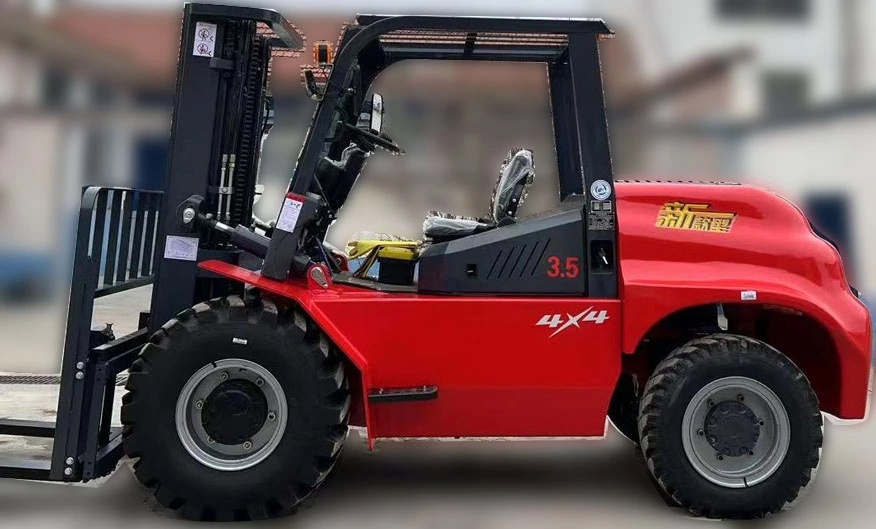
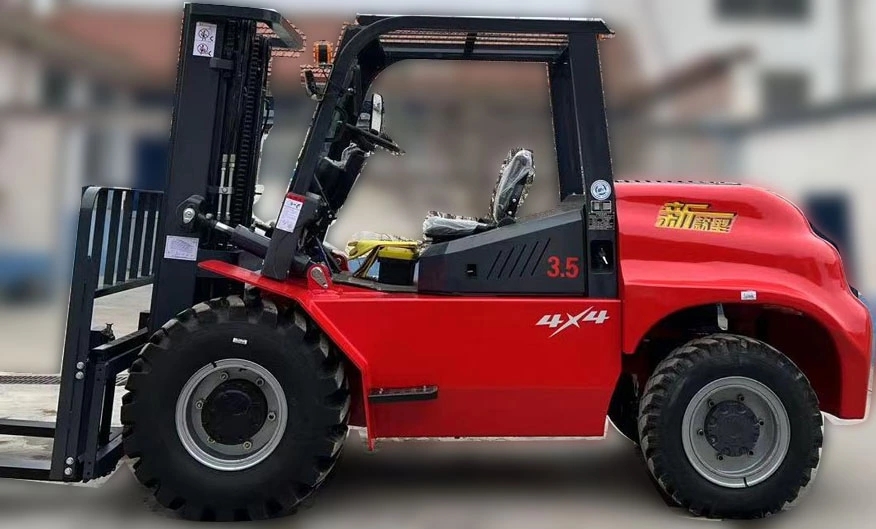
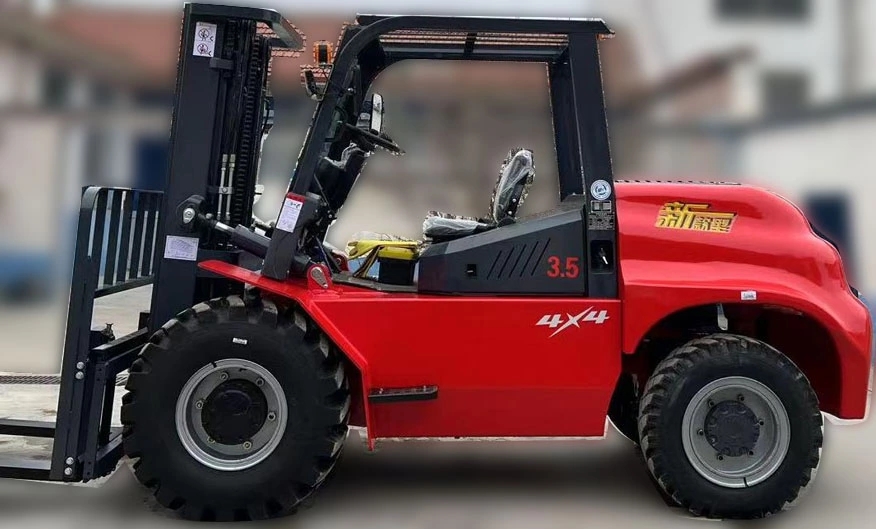
Tire design plays a pivotal role in the functionality of all-terrain forklifts. Pneumatic tires with deep treads are standard, providing superior traction on loose gravel, dirt, and wet surfaces. Some models offer solid or foam-filled tires for puncture resistance in rocky environments. The tire size, typically ranging from 16 to 24 inches in diameter, affects ground clearance and stability. Wider tires distribute weight more evenly, reducing ground pressure and preventing sinkage in soft soils.
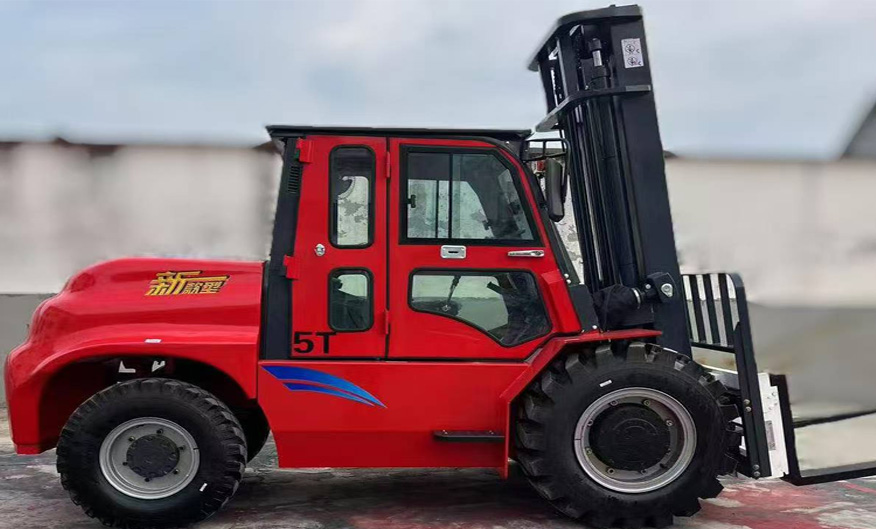
Stability features are integral to all-terrain forklift specifications, ensuring safe operation on uneven ground. Many models incorporate a robust chassis design with a low center of gravity to prevent tipping. Outriggers or stabilizer bars may be included for additional support when lifting heavy loads at maximum height. Hydraulic suspension systems further enhance stability by absorbing shocks and maintaining balance on rough terrain. These features are particularly vital in industries like forestry and mining, where ground conditions are unpredictable.
Finally, advanced technology is increasingly shaping all-terrain forklift specifications. Telematics systems enable real-time monitoring of engine performance, fuel consumption, and maintenance needs. Some models feature automated load-sensing technology, adjusting hydraulic pressure based on weight distribution for safer lifts. Electric all-terrain forklifts are also emerging, offering zero emissions and quieter operation, though their load capacity and runtime remain limited compared to traditional engines. As industries demand greater efficiency and sustainability, these innovations will continue to evolve.