Navigating the Robust Capabilities of Modern All-Terrain Forklifts
2025-08-10 04:30:25
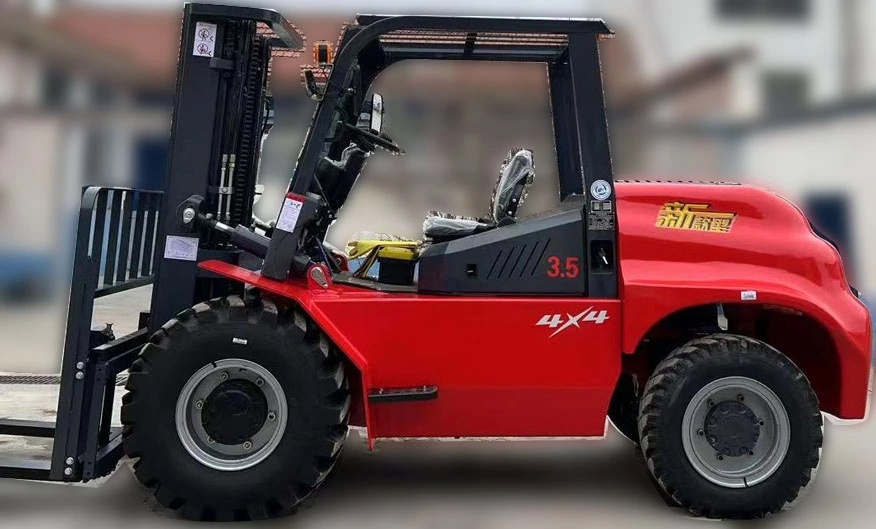
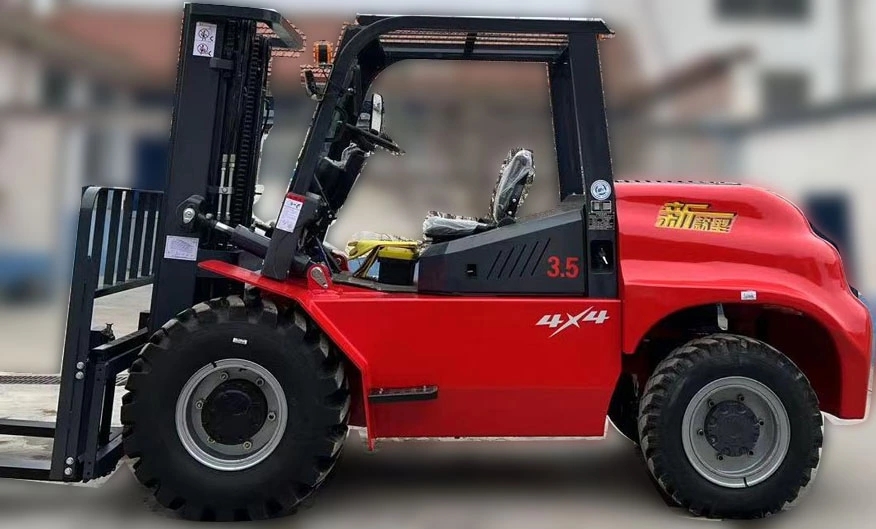
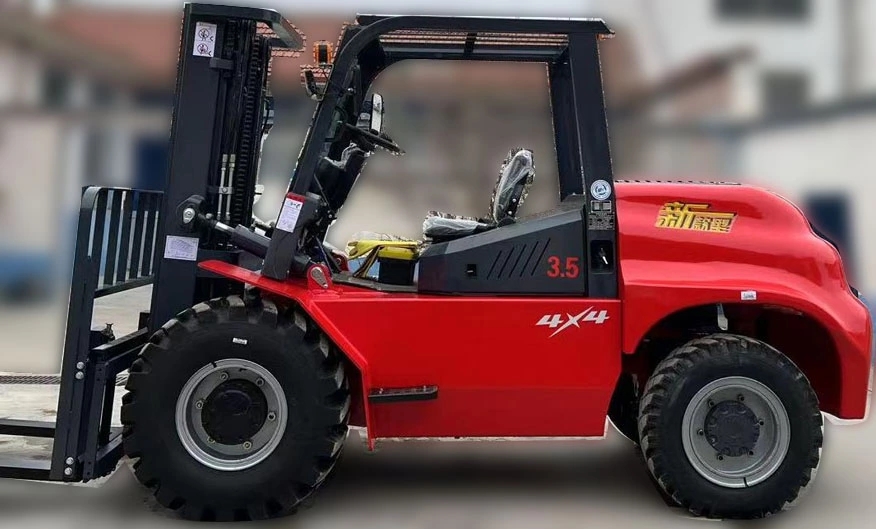
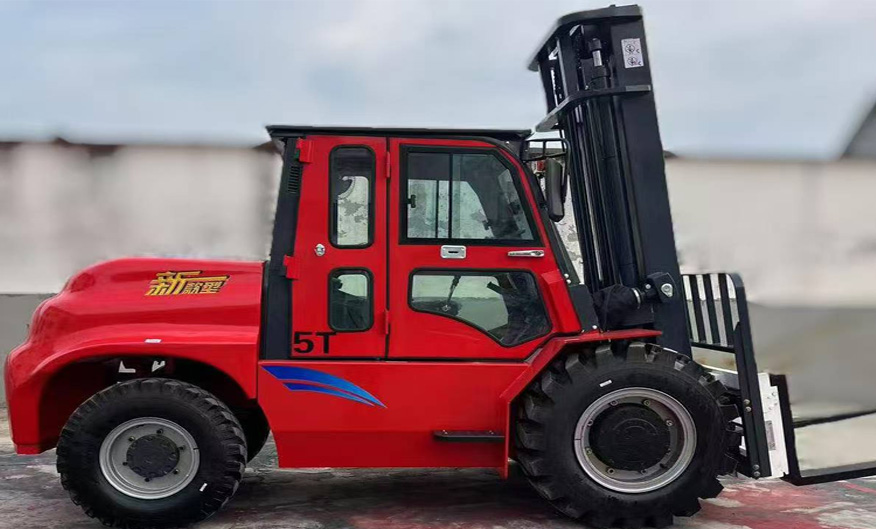
This technical report delves into the critical specifications of all-terrain forklifts, highlighting their design, performance metrics, and operational adaptability. By analyzing industry data, we explore how these machines excel in challenging environments, offering unmatched versatility for construction, agriculture, and logistics sectors. All-terrain forklifts are engineered to handle uneven, rough, and unstable surfaces with superior stability and power. Key specifications include load capacities ranging from 3,000 to 10,000 kg, depending on the model, and lift heights extending up to 6 meters. These machines often feature reinforced chassis designs and heavy-duty tires, ensuring durability in harsh conditions.
One of the standout features of all-terrain forklifts is their advanced drivetrain systems. Many models incorporate 4-wheel drive (4WD) or all-wheel drive (AWD) configurations, coupled with differential locks for enhanced traction. Engine power typically ranges between 50 to 120 HP, with some high-performance units leveraging turbocharged diesel engines for optimal torque output in off-road applications.
The hydraulic systems in all-terrain forklifts are another critical specification. High-pressure hydraulic pumps enable smooth lifting and lowering operations, even under full load. Industry data indicates that modern systems can achieve lift speeds of up to 0.5 m/s, with tilt angles adjustable between 5 to 12 degrees for precise load handling.
Safety remains a top priority in all-terrain forklift design. Features such as roll-over protection structures (ROPS), load-sensing valves, and anti-slip platforms are standard. Additionally, ergonomic operator cabins with intuitive controls and 360-degree visibility ensure safe operation in complex terrains.
Finally, fuel efficiency and emissions compliance are increasingly important in all-terrain forklift specifications. Many newer models adhere to Tier 4 Final or Euro VI emission standards, integrating selective catalytic reduction (SCR) systems. With fuel consumption rates averaging 5-8 liters per hour, these machines balance power with environmental responsibility. By understanding these specifications, businesses can select the ideal all-terrain forklift for their operational needs, maximizing productivity in demanding environments.