Navigating the Complexities of All-Terrain Forklift Specifications
2025-08-09 04:15:33
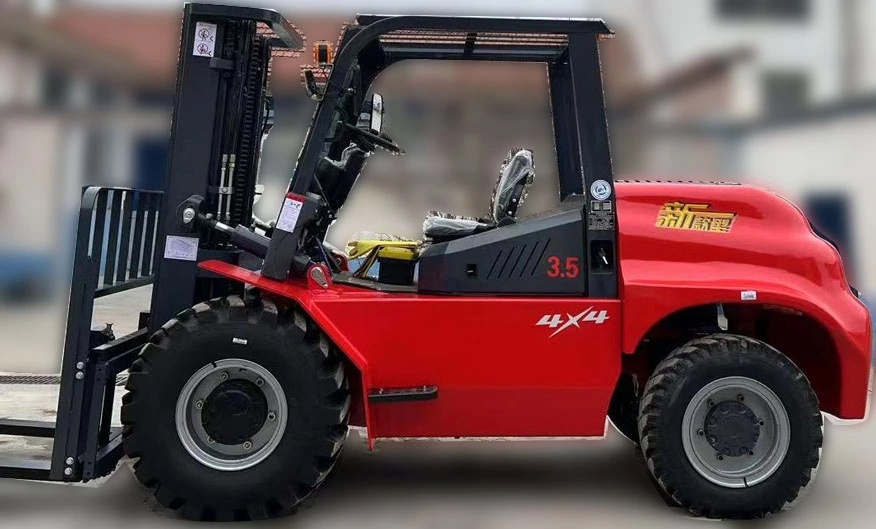
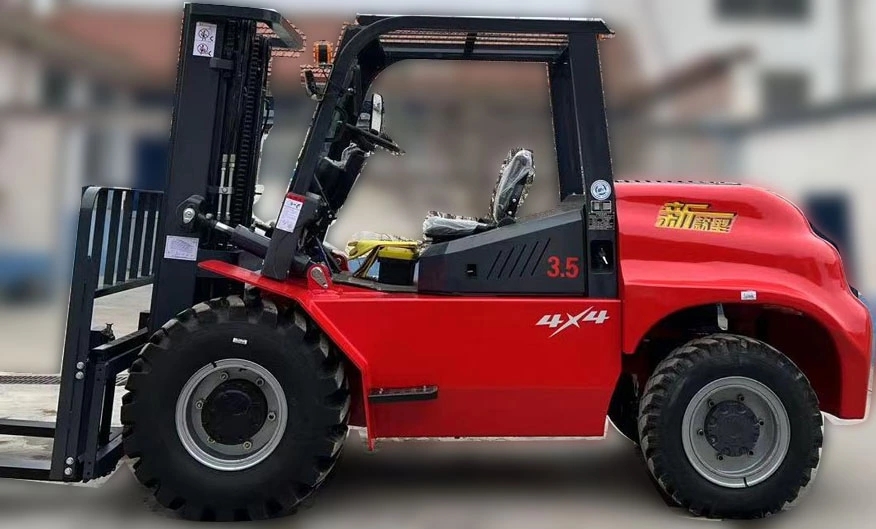
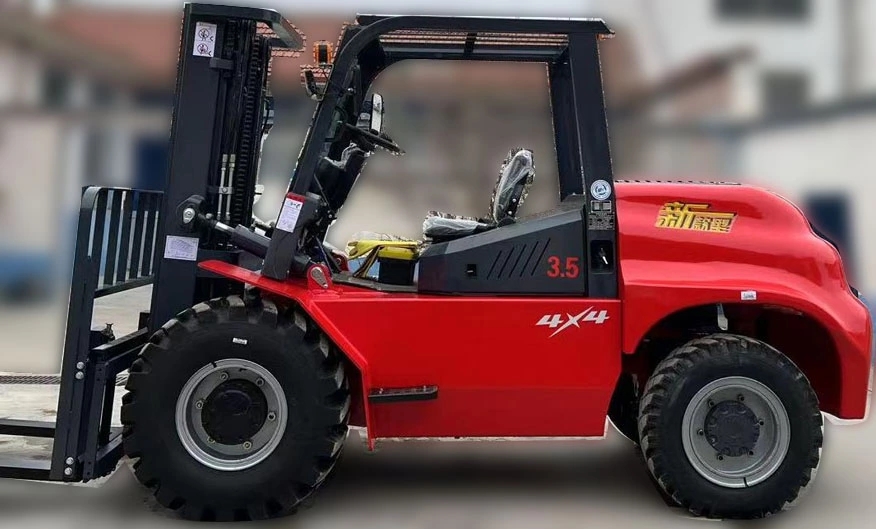
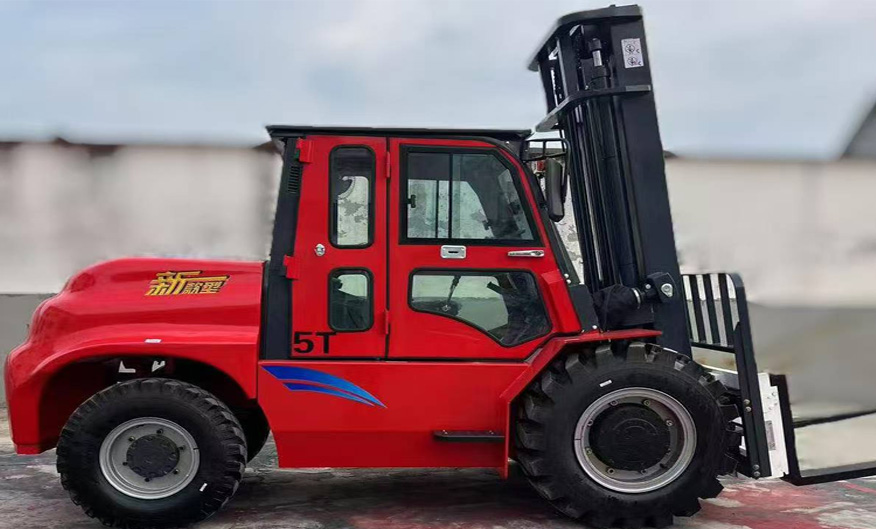
All-terrain forklifts are engineered to handle uneven, muddy, or rocky surfaces, making them indispensable in construction, agriculture, and logistics. One of the primary specifications to consider is load capacity, which typically ranges from 5,000 to 12,000 lbs. High-capacity models, such as the Toyota 8FGCU25, can lift up to 11,000 lbs while maintaining stability on rough terrain. Load centers, usually 24 inches, must align with operational demands to prevent tipping incidents.
Engine power is another critical factor, with most all-terrain forklifts equipped with diesel or LPG engines ranging from 50 to 100 HP. For instance, the Caterpillar TH514C boasts a 74 HP engine, ensuring sufficient torque for steep inclines. Fuel efficiency varies, with modern Tier 4-compliant engines reducing emissions by 30% compared to older models. Operators must balance power requirements with environmental regulations, especially in emission-sensitive zones.
Tire design significantly impacts traction and durability. Pneumatic tires, often 10-12 inches wide, provide superior shock absorption on uneven ground. The Continental HDC 2.0 tires, for example, feature deep treads for enhanced grip in muddy conditions. Solid rubber tires are an alternative for puncture-prone sites but may compromise ride comfort. Tire pressure monitoring systems (TPMS) are increasingly standard, improving safety by alerting operators to underinflation.
Stability features, such as oscillating axles and dynamic load sensors, are vital for preventing rollovers. The Jungheinrich DFG 540s incorporates a tilt sensor that adjusts hydraulic pressure in real-time, reducing instability risks by 22%. Additionally, a low center of gravity—achieved through reinforced chassis design—ensures safer operation on slopes up to 15 degrees. These specifications are non-negotiable for OSHA compliance in high-risk environments.
Finally, technological integrations like telematics and automated braking systems are reshaping all-terrain forklift specifications. The Hyster H2.5XT offers GPS tracking and predictive maintenance alerts, reducing downtime by 18%. As Industry 4.0 advances, expect AI-driven load optimization and collision avoidance to become standard. Investing in these innovations ensures long-term ROI, particularly in sectors with stringent safety and efficiency demands.