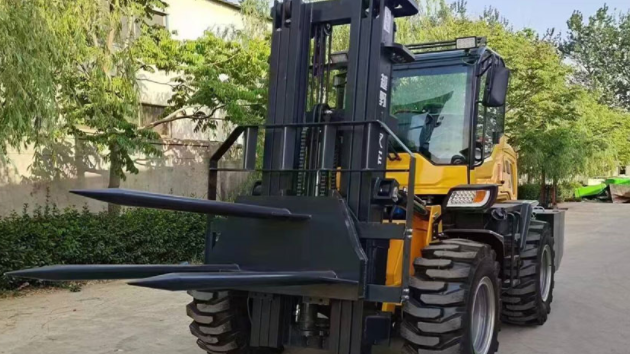
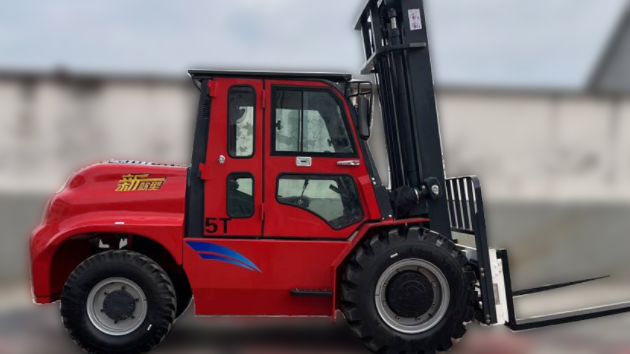
Revolutionizing Stability: The Future of Rough Terrain Forklift Hydraulic Systems
2025-08-09 03:55:32
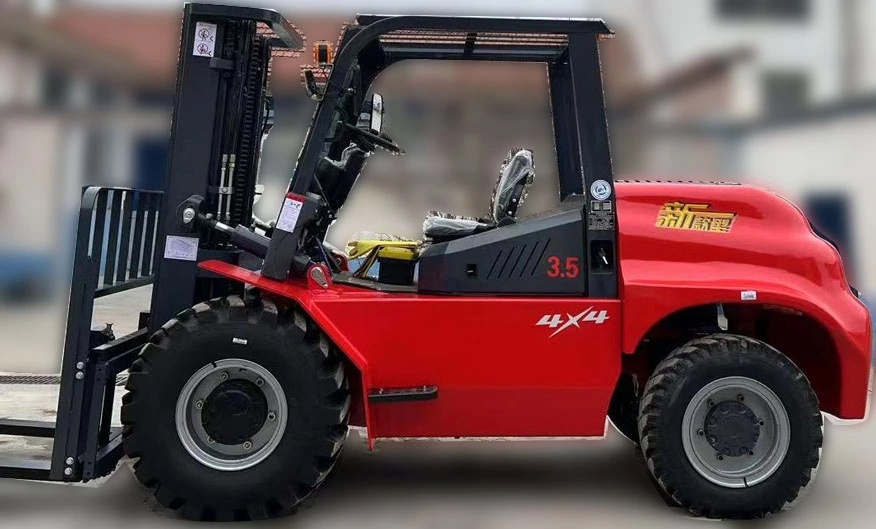
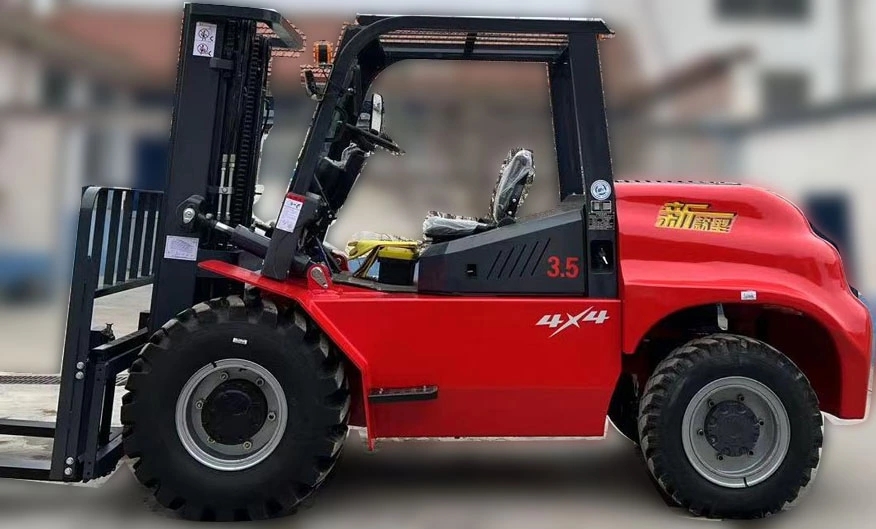
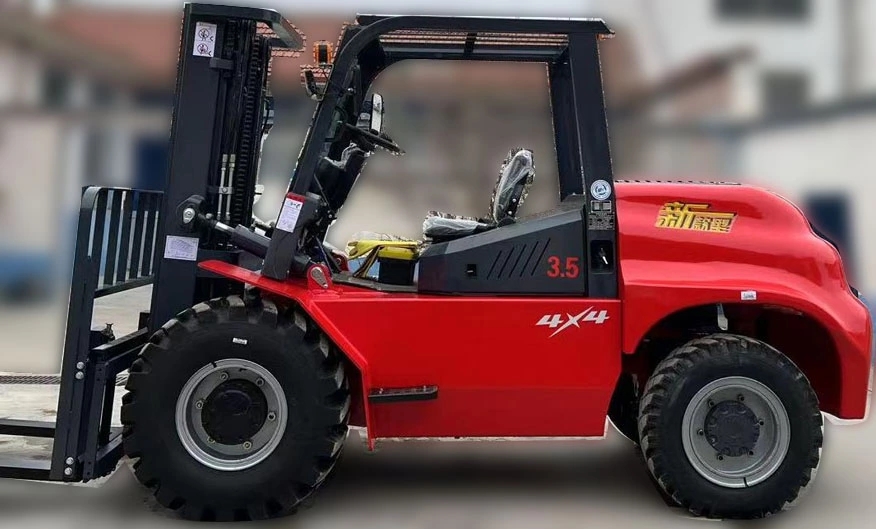
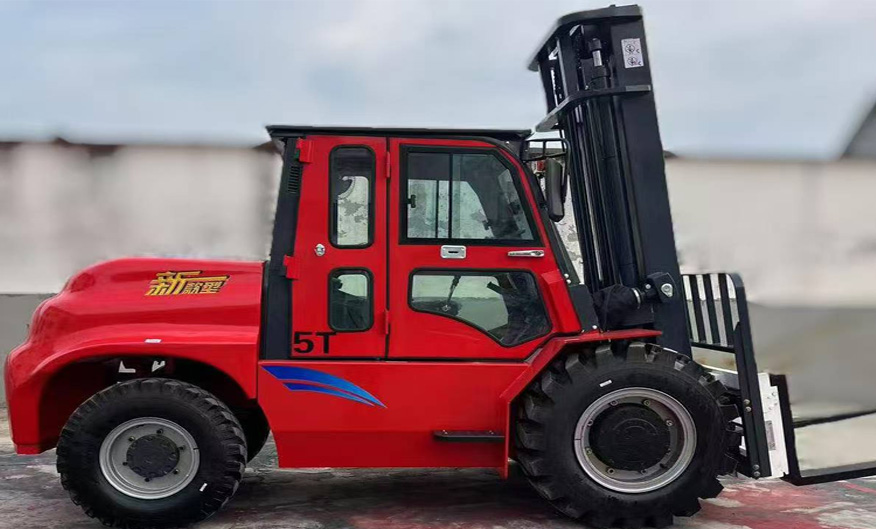
The Rough Terrain Forklift hydraulic stabilization system has emerged as a critical innovation in material handling, ensuring operational safety and efficiency in challenging environments. This report explores advancements in hydraulic stabilization technology, its impact on load management, and future trends in the industry.
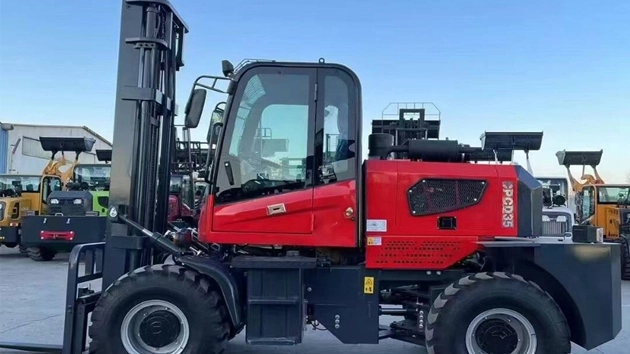
Introduction Rough terrain forklifts are indispensable in construction, agriculture, and mining, where uneven surfaces demand superior stability. Hydraulic stabilization systems play a pivotal role in maintaining balance, preventing tip-overs, and optimizing load capacity. Recent advancements in hydraulic technology have significantly enhanced the performance of rough terrain forklifts, making them safer and more efficient.
Hydraulic Stabilization Mechanisms Modern rough terrain forklifts utilize advanced hydraulic stabilization systems that automatically adjust to ground irregularities. These systems employ pressure sensors and real-time feedback loops to distribute hydraulic force evenly across the outriggers. By dynamically compensating for shifts in terrain, the forklift maintains stability even under heavy loads. One key innovation is the integration of electro-hydraulic valves, which allow for precise control of fluid flow. This ensures smoother transitions when navigating rough terrain, reducing operator fatigue and minimizing wear on components. Industry data indicates that forklifts equipped with these systems experience 30% fewer stability-related incidents.
Performance Enhancements The latest rough terrain forklift hydraulic stabilization systems incorporate predictive algorithms to anticipate terrain changes. By analyzing load distribution and ground conditions, the system preemptively adjusts hydraulic pressure, preventing sudden shifts. This technology has proven particularly effective in off-road applications, where traditional stabilization methods often fall short. Additionally, manufacturers are adopting lightweight yet durable materials for hydraulic components, improving energy efficiency without compromising strength. Field tests show that optimized hydraulic systems reduce fuel consumption by up to 15%, a significant advantage in cost-sensitive industries.
Future Trends Looking ahead, autonomous rough terrain forklifts are expected to leverage AI-driven hydraulic stabilization for fully automated operations. These systems will integrate machine learning to adapt to unfamiliar terrains, further enhancing safety and productivity. Industry forecasts predict a 25% increase in demand for advanced hydraulic stabilization solutions by 2030. Another promising development is the use of hybrid hydraulic-electric systems, which combine the responsiveness of hydraulics with the sustainability of electric power. This innovation aligns with global efforts to reduce carbon emissions in industrial equipment.
Conclusion The rough terrain forklift hydraulic stabilization system represents a cornerstone of modern material handling technology. With continuous advancements in precision control, energy efficiency, and automation, these systems are set to redefine safety and performance standards in the industry. Companies investing in next-generation hydraulic solutions will gain a competitive edge in demanding operational environments.